Banking in Door County Pt. 1

The Bank of Sturgeon Bay
[Midwestern readers can skip to the paragraph below the encased cent.]

Door County is the thumb of Wisconsin. It juts into Lake Michigan and forms the east side of the bay of Green Bay. It sits atop a dolomite structure known as the Niagara escarpment, the geological formation that is responsible for Niagara Falls. The county takes it name from Death’s Door, the strait that lies between the northern end of the peninsula and Washington Island. The waterway was given this name by the French (Porte des Morts) due to its treacherous currents.

The largest city and county seat is Sturgeon Bay. The county’s position on Lake Michigan gave it a long maritime tradition. Lighthouses dot the shoreline. Shipbuilding, fishing and agriculture were the most significant early industries. While all these still exist in the county, tourism has become the primary economic engine. The county’s population is about 27,000 but swells to a quarter million during the summer tourist season.
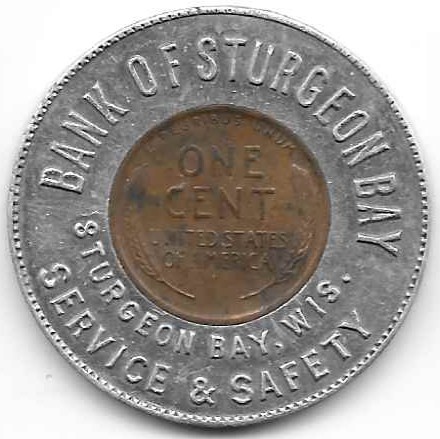
Encased cent produced for the Bank of Sturgeon Bay. Encased cents were common advertising pieces in the early 1900s. The date on the cent is 1926. Leyse Aluminum in Kewaunee, Wisconsin was a large producer of encased cents.

There have been a handful of banks in the county. Commerce in the area was not advanced enough for there to have been any banks during the obsolete note era (1850-60s). There were no national banks in the county during the national bank issuing period (1863-1935).

Baylake Bank was the last bank based in the county when it was taken over by Nicolet National Bank in 2016. It was also the oldest bank in the county. It was founded as a private institution in 1889 as the Bank of Sturgeon Bay and received its state charter in 1891. It changed its name to Baylake Bank in 1994 when it merged with the Bank of Kewaunee.

There are a handful of numismatic mementos of the Bank of Sturgeon Bay that span most of its history.
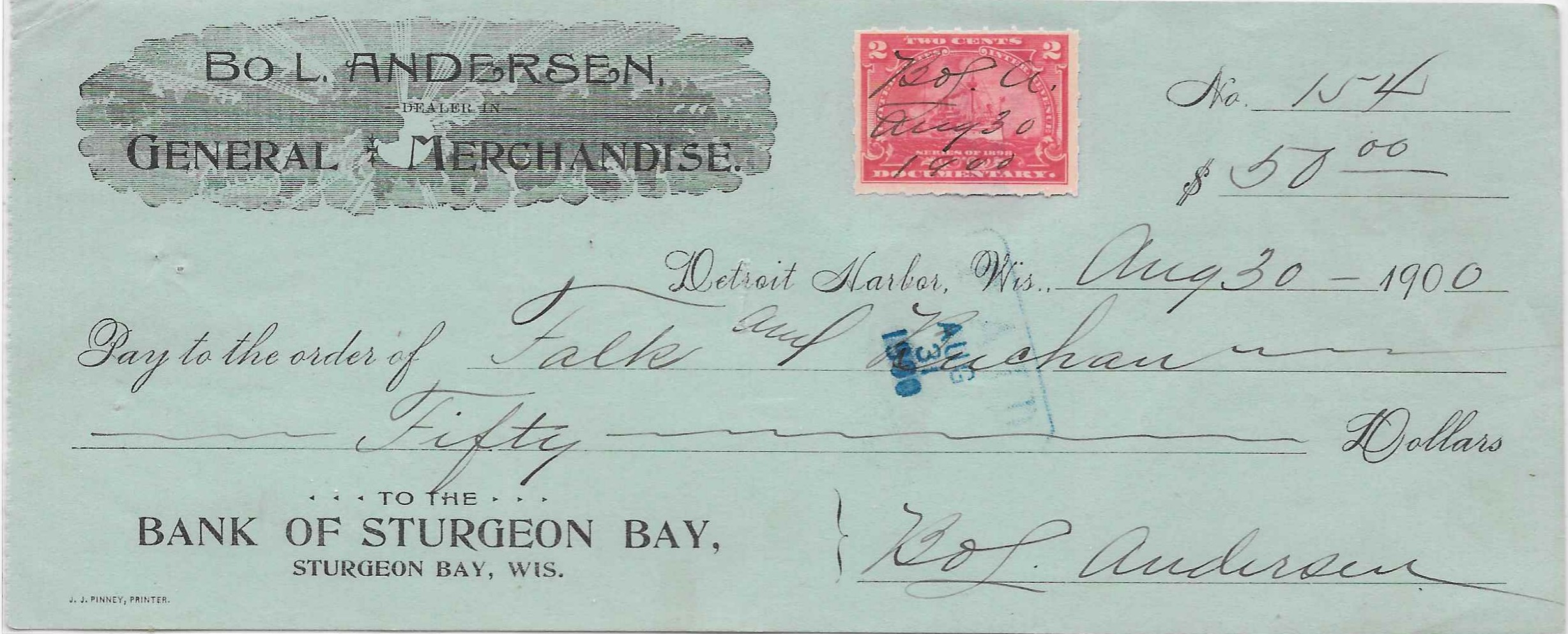
The earliest piece I have is this check written in 1900 on the account of Bo L. Andersen. It was printed by J.J. Pinney, a printer in Sturgeon Bay. It features a two cent documentary revenue stamp. A two cent tax was imposed on checks in 1898 to help pay for the Spanish-American War.

Andersen operated a general store on Washington Island off the northern end of the peninsula. The check has identifies his location as Detroit Harbor, Wisconsin which is the site of the island dock for the Washington Island Ferry. The payee is Falk & Buchan, a seed seller in Sturgeon Bay.
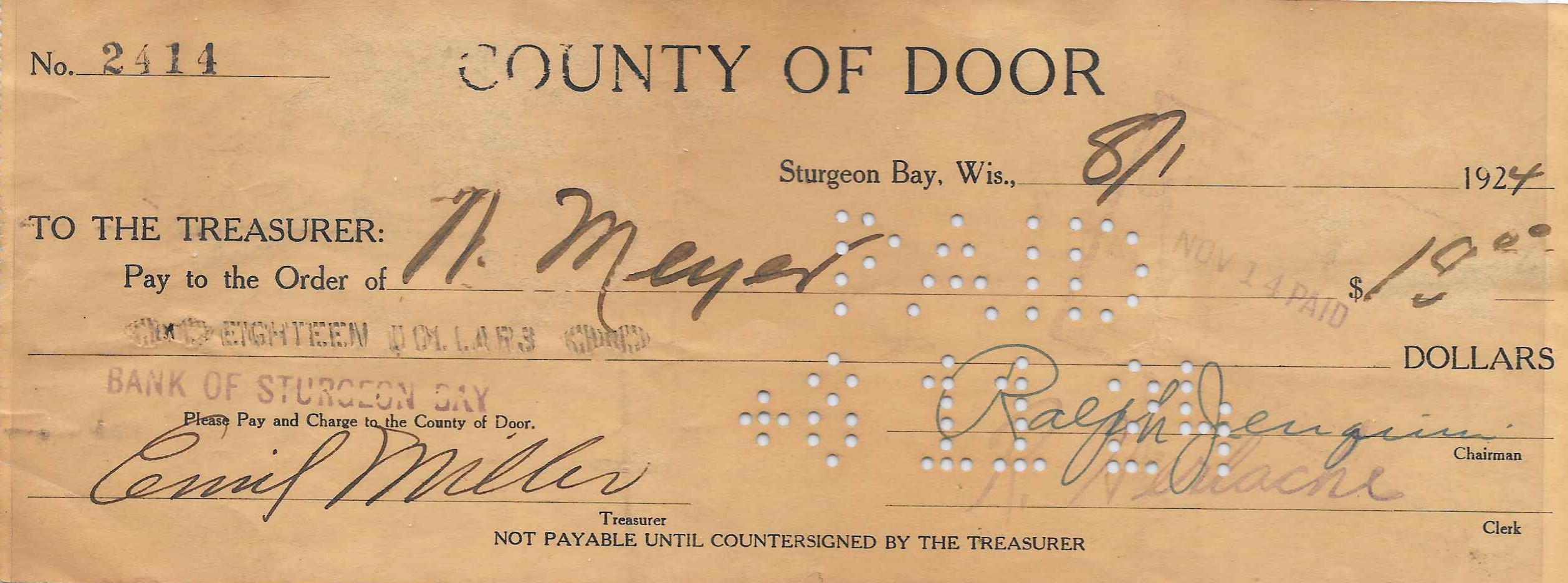
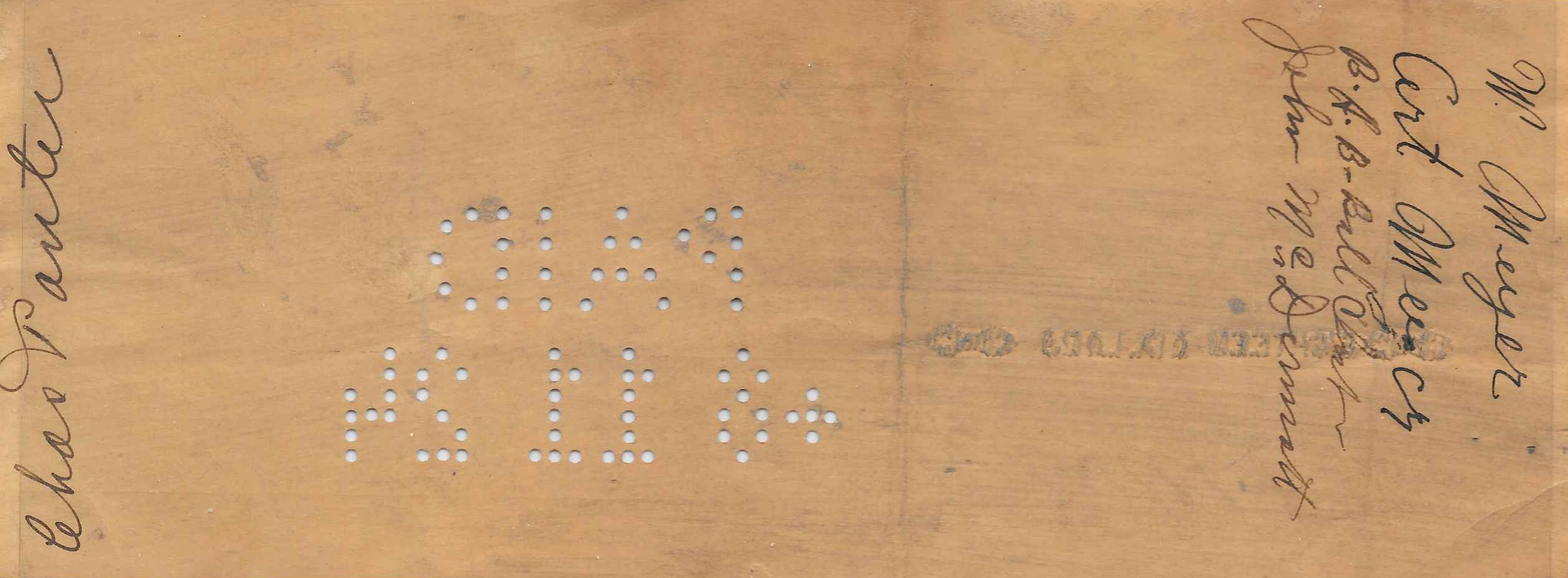
This check for $18.00 was written in 1924 by the Door County Treasurer and payable at the Bank of Sturgeon Bay. The multiple endorsements on the back shows the practice of passing negotiable instruments from holder to holder to pay debts. The check was written on August 1 and cleared the Bank of Sturgeon Bay on August 11 (shown by the perforated date). During that time it passed through five different hands.
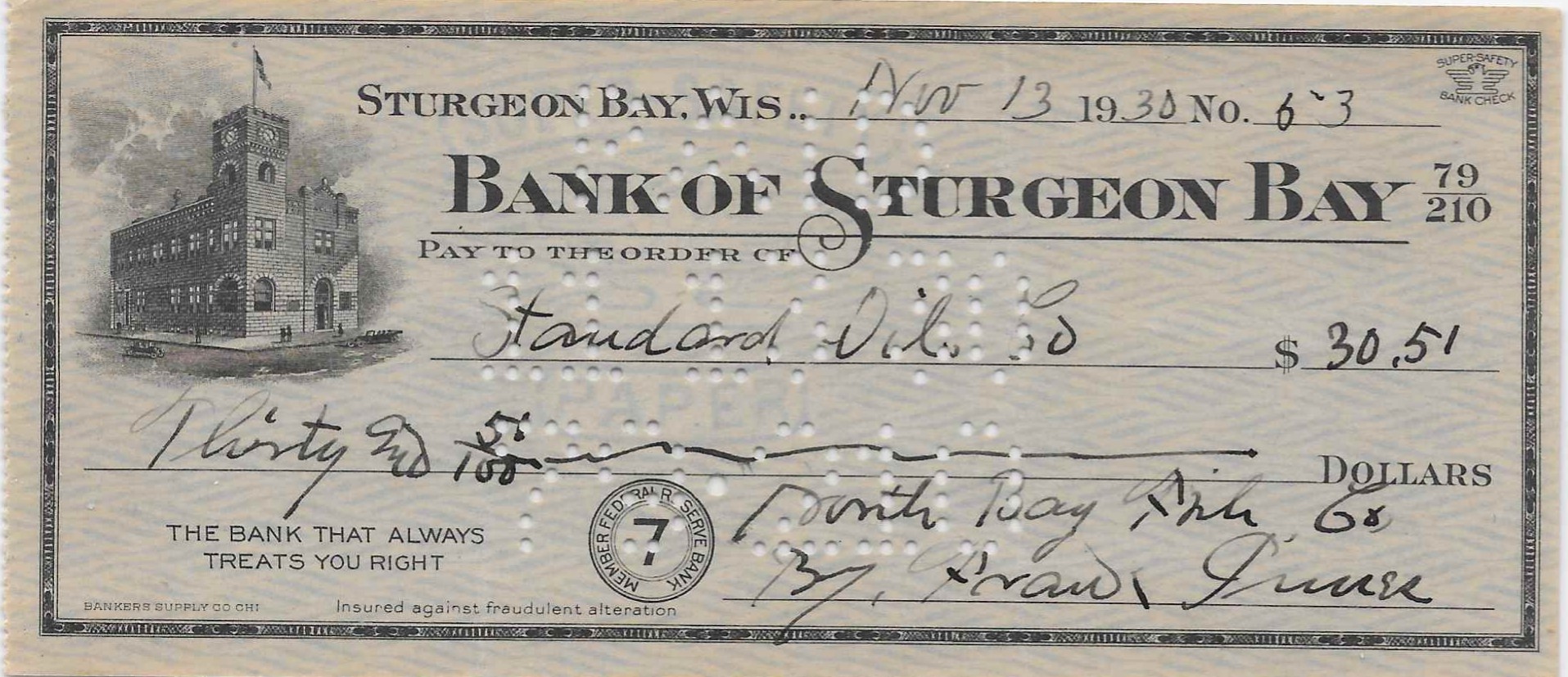
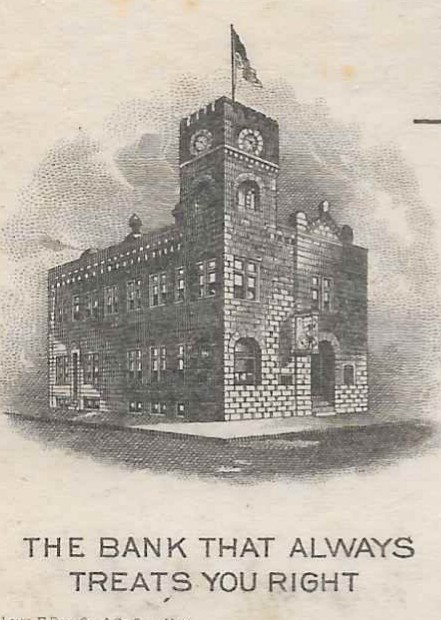
This next check was written in 1930 by the North Bay Fish Company. North Bay is located in the Town of Baileys Harbor about half way up the peninsula on the Lake Michigan side. The bank building is featured in the vignette at left. The building still stands although the clock tower was removed in the 1930s for safety reasons. The current bank location is two blocks away.

This piece is an uncashed travellers cheque issued by the First National Bank of Chicago through the Bank of Sturgeon Bay. Information on the back indicates it dates from the early 1960s. I was unable to verify the holders name.
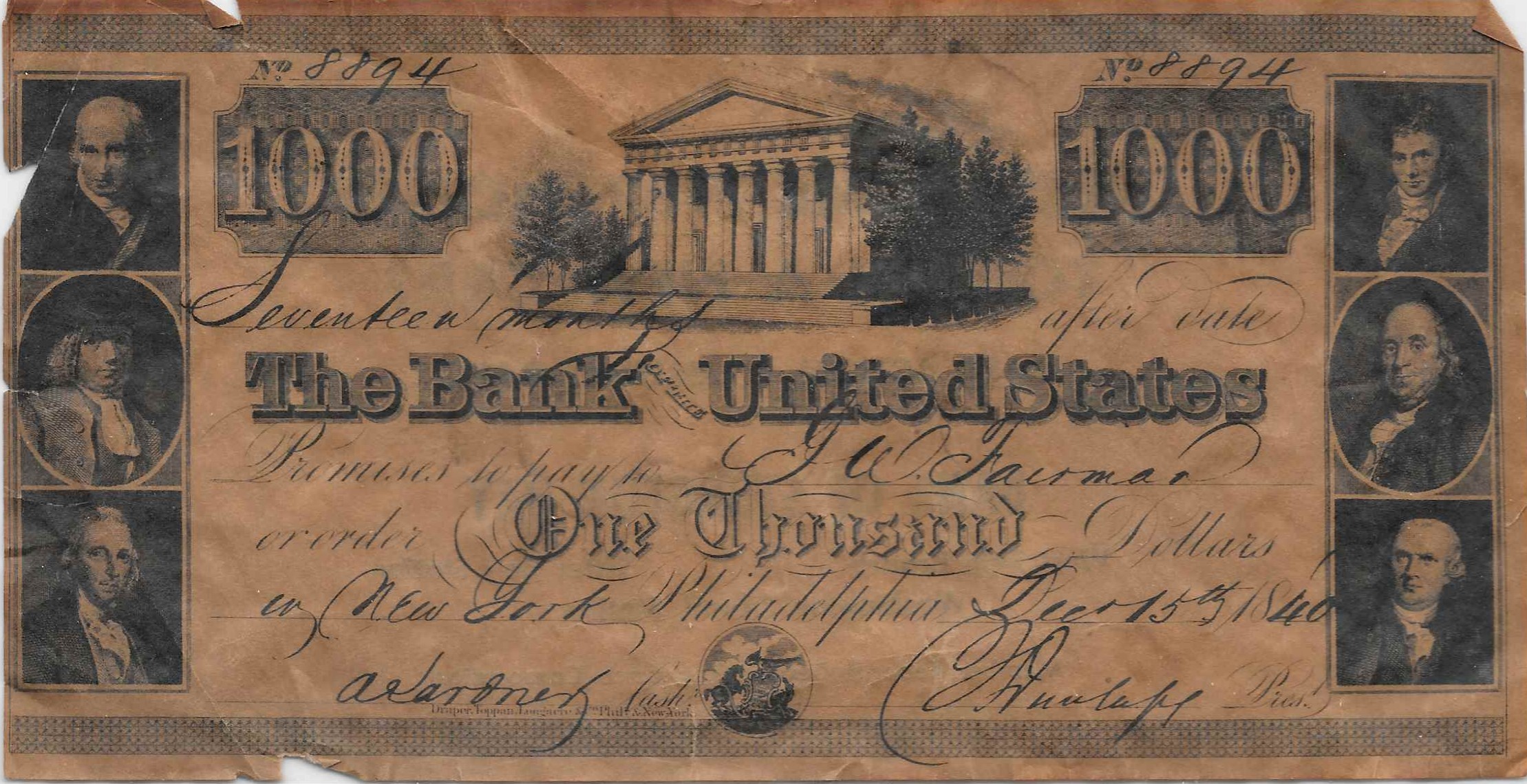
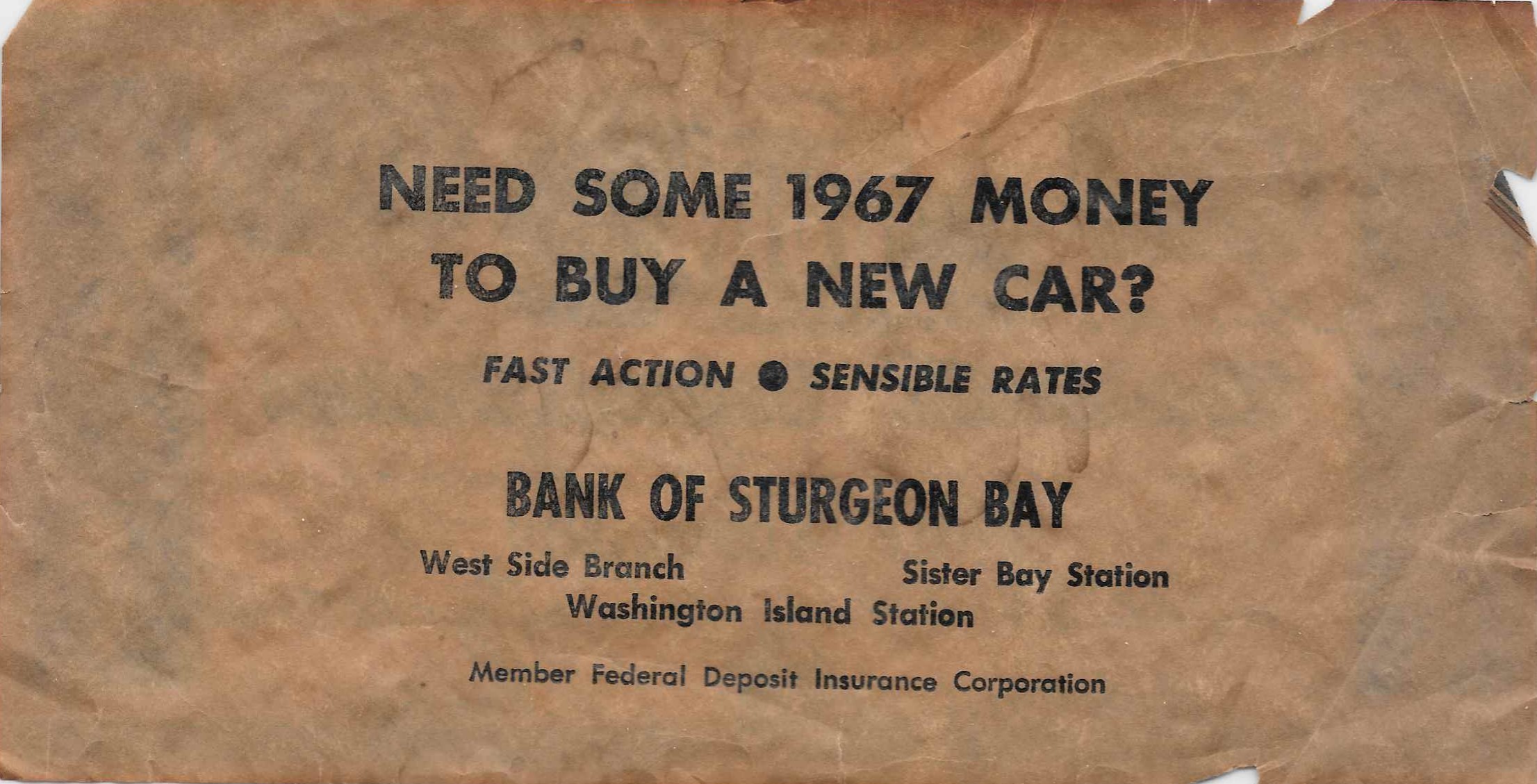
Paper money collectors will recognize this facsimile of a $1,000.00 post note issued by the Bank of the United States in 1840 with serial number 8894. It was an often duplicated piece used for advertising as it was here by the Bank in 1967.

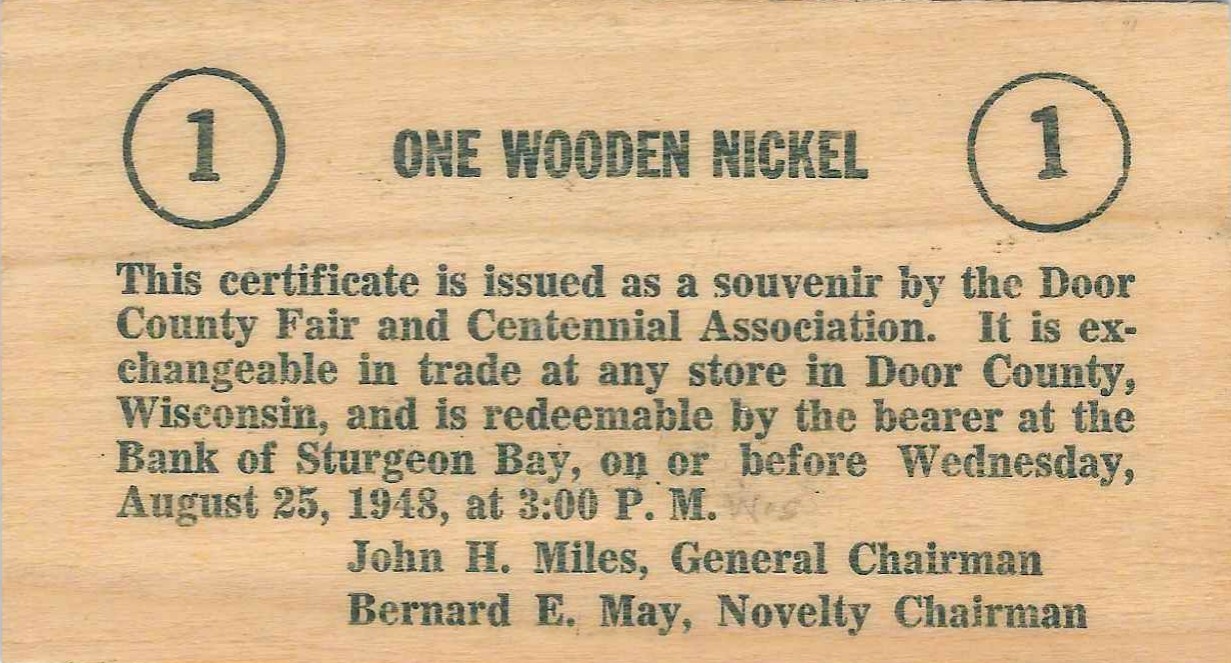
Door County celebrated its centennial in 1948. This wooden nickel is one of a series of three that were issued to mark the occasion. The others being worth two nickels and five nickels. It is redeemable at the Bank of Sturgeon Bay. Wooden nickels were popular souvenirs in the 1930s-50s. A not very accurate map of the county appears on the face.
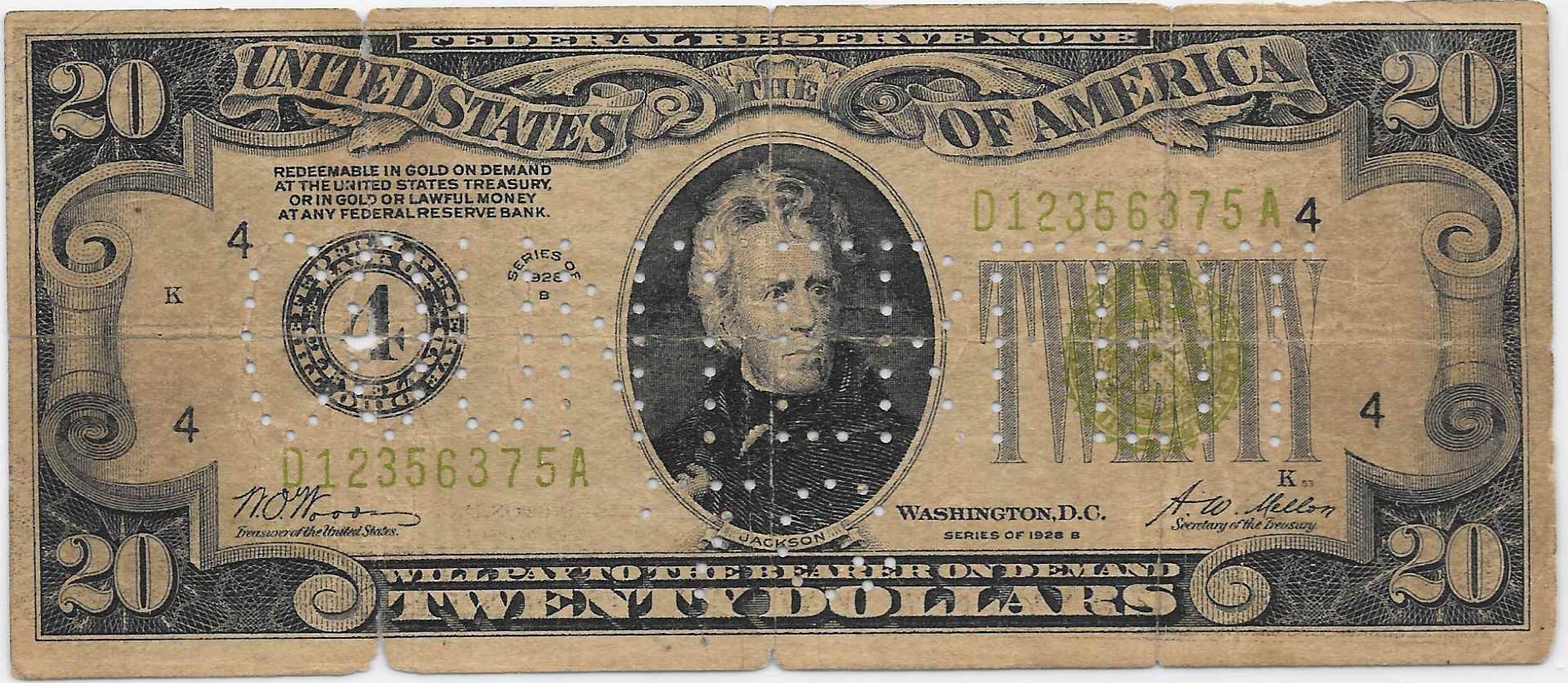
This final piece is not mine but belongs to a colleague. It is a counterfeit 1928B $20.00 Federal Reserve Note from the Cleveland Fed. The notation on the back indicates it was found at the Bank of Sturgeon Bay on July 22, 1936 and received by the Federal Reserve Bank (probably Chicago as Sturgeon Bay is located in the Chicago Federal Reserve District) the next day. The paper is not close to being correct and the aging of the note was artificial. The counterfeiters made a glaring mistake when they printed this note. The Federal Reserve Bank seal on the left side of Series 1928 and Series 1928A $20.00 notes had large numerals in them as this note does. But the design was changed for Series 1928B so that the corresponding capital letter appears in the seal (in this case D for the Cleveland Federal Reserve Bank).
Golf in the Time of Communism

Usambassadors-hungary - Edited (1)
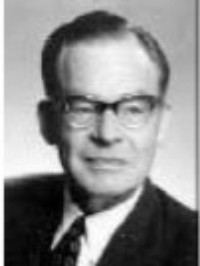
Christian M. Ravndal   US Minister to Hungary

Christian M. Ravndal was a career US diplomat.  He served as head of the US Foreign Service, ambassador to Uruguay, Ecuador and Czechoslovakia, and he was minister to Hungary in the 1950s.

He was also a scratch golfer.  When he was posted to Budapest he spent his free time at the Hungarian Golf Club with club pro Joe Stammel.  When Ravndal arrived in late 1951 only eight of the original eighteen holes were still in use at the club.  The other ten holes had been appropriated by the Hungarian government.  By April 1952 only five holes remained.

Ravndal and Stammel were in the middle of round in late spring 1952 when they were approached by the Hungarian Minister of War and a Russian general.  They were ordered off the course immediately as the Hungarian government took over the remainder of the club’s property.

Determined to tee up again, Ravndal set out to create a course despite opposition from the communist Hungarian government who viewed the game as a luxury associated with capitalism.  Nearby was an overgrown eight acre parcel with a bombed out mansion that the US government had purchased in 1947 to build residences for the members of the US diplomatic delegation.  The communist takeover of Hungary resulted in the parcel remaining undeveloped.

Ravndal and the legation staff used their own money to pay to turn the property into a four hole course.   Employing local labor, bomb craters were filled in, thick brush removed and unexploded ordnance disposed of.  In July 1952 the course was completed and the games began.  A round consisted of sixteen holes (four circuits) with a par of 48.

golf 2 - Edited
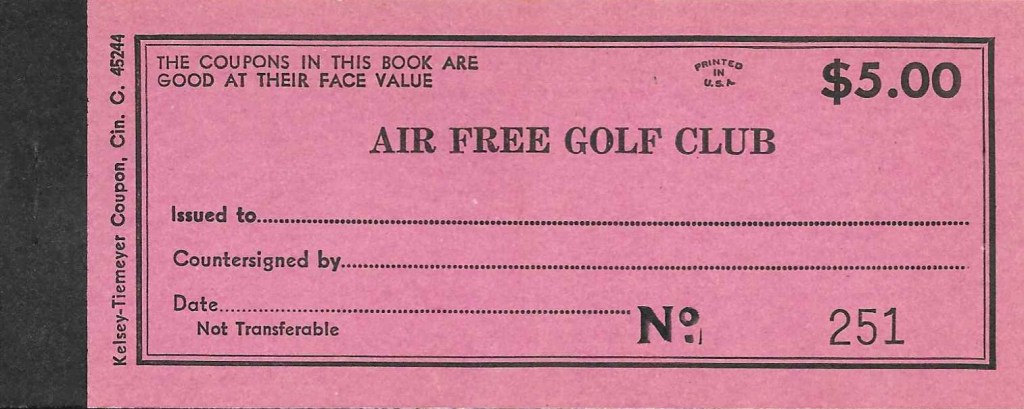
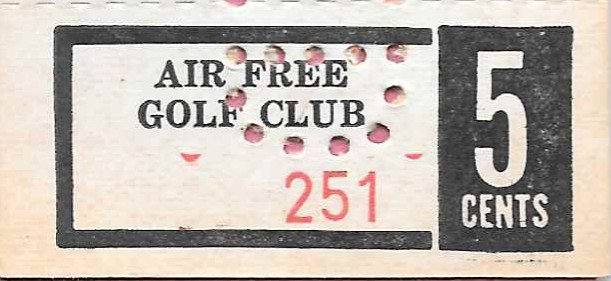
Five cent chit from the Air Free Golf Club in Budapest.

In a contemporary New York Times article, Ravndal described the course as a “monument to nose-thumbing” due to the disapproval of the host country’s government.  (The communist government eliminated all golf courses in Hungary).  To add further insult to them Ravndal named the course the Air Free Golf Club.
The facility was open to all western diplomats in Hungary and quickly became a popular hangout.  A pool was added (by adapting a bomb crater) and a tennis court was installed using crushed brick as a surface.  A locker room and bar were completed.  A French diplomat’s goat acted as groundskeeper.  The club hosted nine 32 hole tournaments annually.   It operated until the early 1970s.

golf - Edited

A Complete $5.00 chit booklet for the Air Free Golf Club.  This type of booklet was commonly used in dining facilities and clubs at US military and diplomatic facilities from the 1950s to 1970s.

An International Mystery

flynn2 - Edited (1)
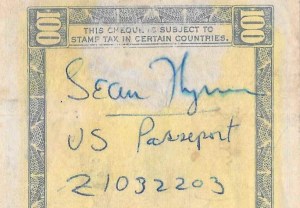
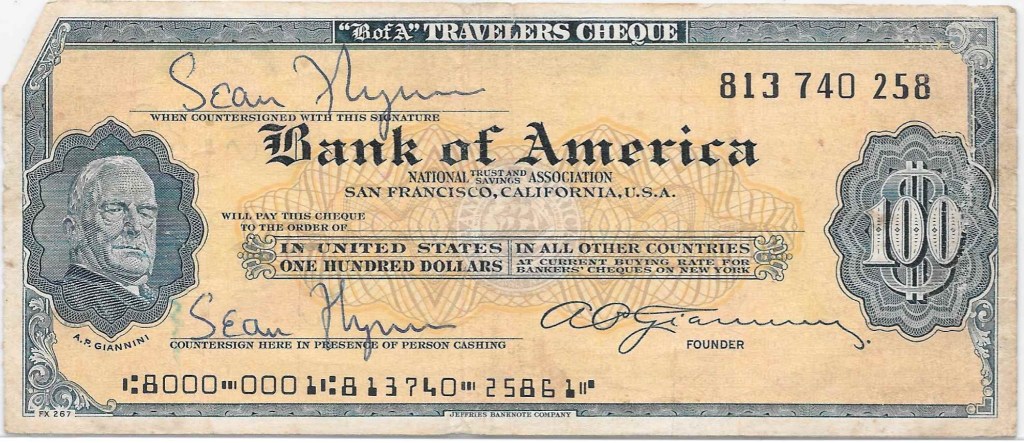
Sean Flynn’s signature and US passport number on the back of a $100.00 travelers cheque.

Sean Flynn was the son of actor Errol Flynn and Lili Damita. He had a brief acting and singing career before he found his true passion of photojournalism.

In January 1966 Flynn found his way to Vietnam. There he met Tim Page another photojournalist who was the inspiration for Dennis Hopper’s character in Apocalypse Now. Flynn went to extreme ends to get his shots. He went into combat with special forces units, made a combat jump with the 101st Airborne Division, and on more than one occasion involved himself in active combat. He was wounded twice.

He went to Israel for the Six Day War in 1967 but got there too late for the military operations. He returned to Vietnam in 1968 after the Tet Offensive. He traveled to Cambodia and Laos covering the war in those countries for Time-Life and taking in the countryside.

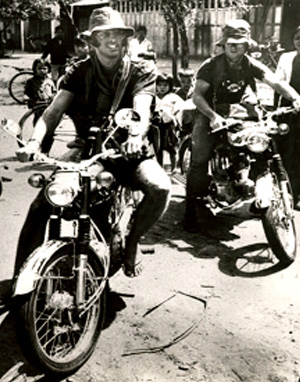
He went to Indonesia in 1969 and returned to Vietnam in January 1970. In April 1970 he learned that the North Vietnamese Army was moving into Cambodia and he went back to Phnom Penh where he met fellow journalist Dana Stone. On April 6, 1970 Flynn and Stone rode out of the capital on motorcycles to check out a North Vietnamese roadblock.

That afternoon a French TV crew filmed the two men at the roadblock. It was the last time either of them was seen alive.

sean-flynn-3
The last photograph of Sean Flynn and Dana Stone on April 6, 1970.

The general consensus is that both men were taken captive by the North Vietnamese who held them until late 1970 when they were turned over to the Khmer Rouge. They were reportedly executed in June 1971 but there are unconfirmed reports they were alive as late as 1973. Their remains have never been found.

flynn2 - Edited

flynn1 - Edited

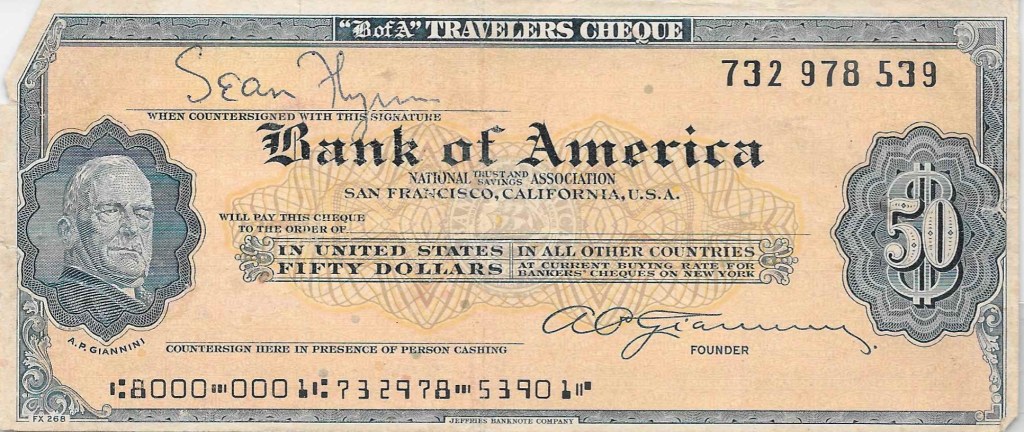
These two travelers cheques were used by Sean Flynn. The $50.00 cheque I obtained off Ebay about 2016 from a seller in Florida. The $100.00 cheque I received from fellow collector Howard Daniel who found it in a coin shop in Vietnam sometime in the mid-2000s.

Checking Back

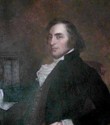
This portrait of Secretary of the Treasury Samuel Dexter is from the collection of the Treasury Department. It was painted in 1893 by Charles Harold L. MacDonald of Manitowoc, Wisconsin.

At the start of the government shutdown I showed three checks bearing large portraits. To recognize the (temporary) end of the shutdown I will continue this topic by examining checks showing the portrait of Secretary of the Treasury Samuel Dexter.

Samuel L. Dexter served as the third Secretary of the Treasury having been appointed to that position by President John Adams in January 1801. It was a lame duck appointment but Dexter agreed to remain in the position until President Thomas Jefferson’s choice of Albert Gallatin was made in May 1801.

Dexter was a Boston lawyer who started in politics in the Massachusetts legislature. He was elected to Congress in 1793 and to the Senate in 1799 where he gave the Senate eulogy for President Washington. He was appointed Secretary of War by President Adams in June 1800. He served in that position until being appointed as Secretary of the Treasury. It would be a short-term appointment as Thomas Jefferson had won election in November 1800 and would take office in March 1801.

Dexter was an odd choice for checks. As noted in the previous entry on government checks, the portraits used were related to the department that issued the check. Dexter held cabinet positions for brief periods and nothing remarkable happened in either department under his watch. He was not well-known even while he was in office. The US Coast Guard had this to say upon the commissioning of a revenue cutter named for him:

“his temperament and intellectual endowment ill suited him for that minute diligence and attention to intricate details which the departments of War and Finance imposed on the incumbents of office.”

Someone in the Treasury Department in the late 19th century had some level of respect for him as he was chosen to represent that department on its own checks for more than 30 years.

This first check was printed for the State Department sometime in the 1880s. Although the cabinet department is not noted on the check, the signature line is for the Disbursing Clerk, Department of State. It does not show well in the scan but there is a light purple stamp in the lower left corner that reads: “WATER BOUNDARY UNITED STATES & CANADA”.

The second check was printed for the Comptroller of the Currency in the 1890s. The check was written for $1.00 to Clayton G. Sillenbeck of Rome, NY. Sillenbeck was a bookkeeper in Rome.

The check was for the third dividend issued during the liquidation of the Fort Stanwix National Bank in Rome. The Comptroller’s office was responsible for taking over the assets of failed banks and selling them off to pay depositors and creditors. The bank went into voluntary liquidation in 1896.

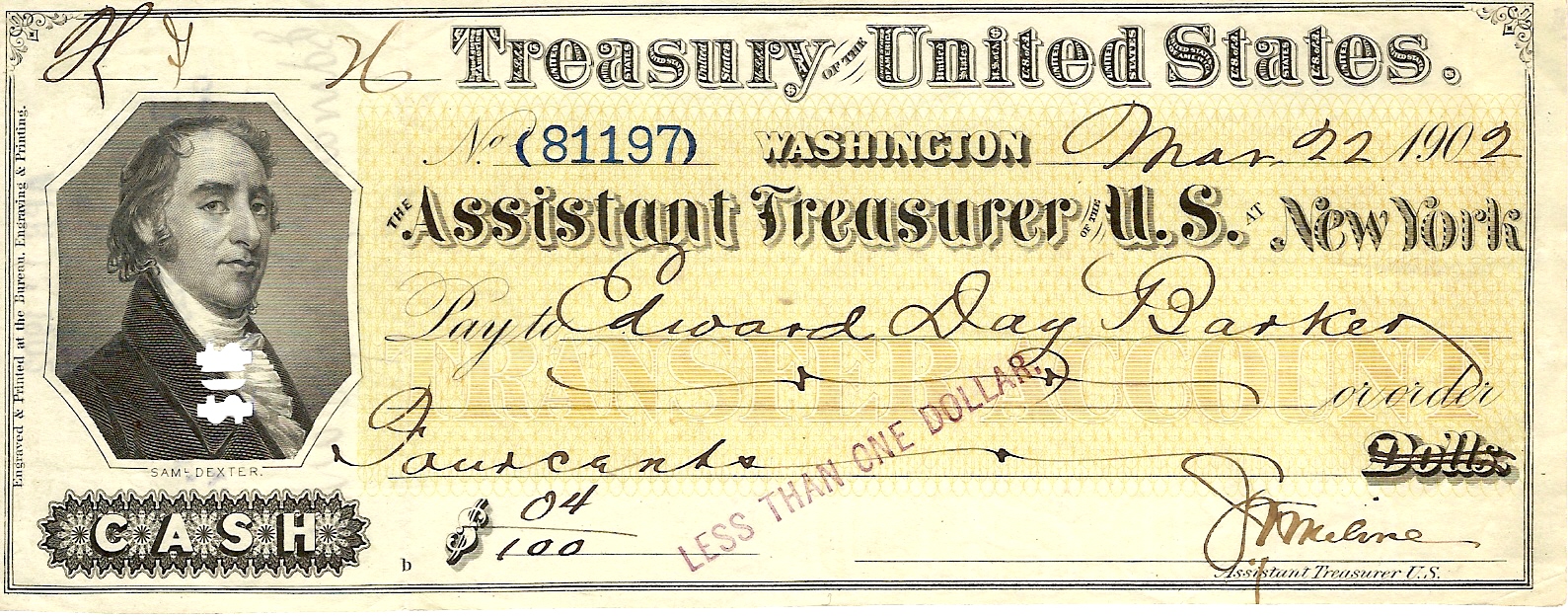
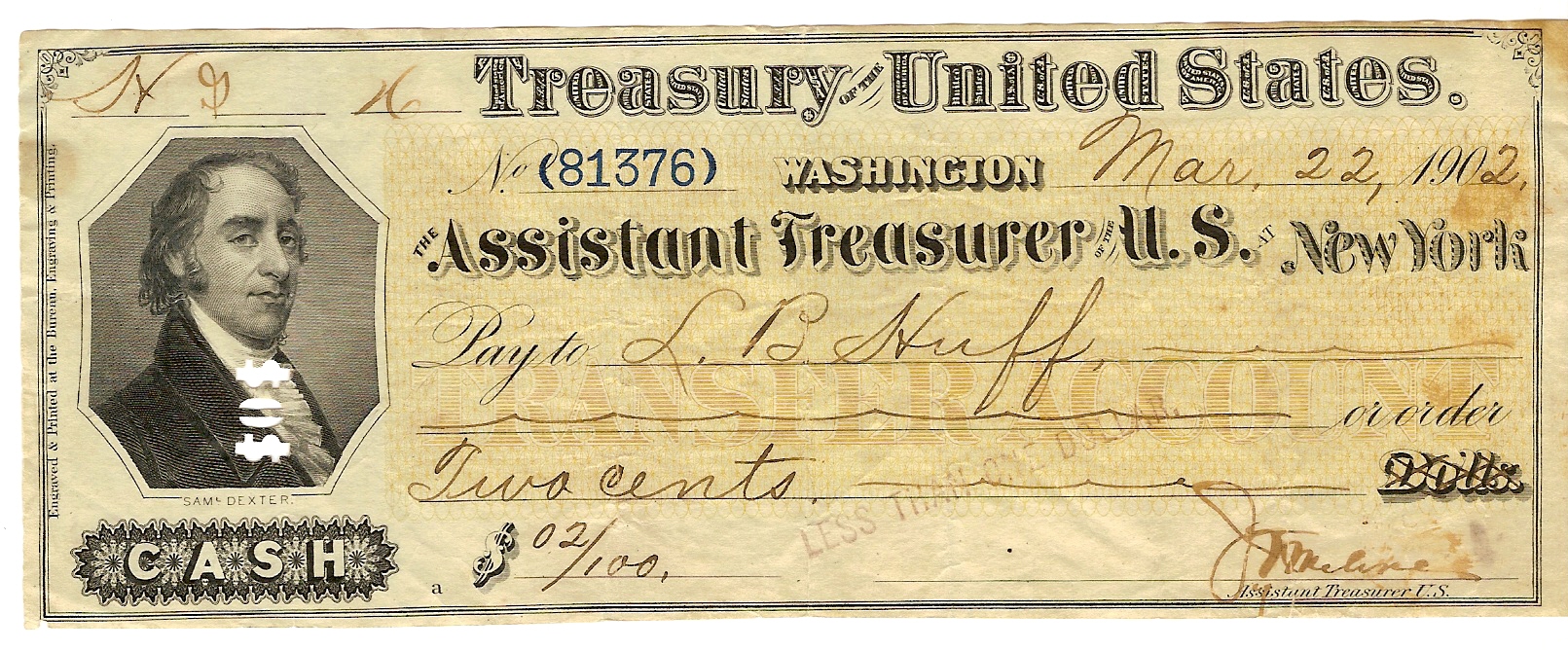
The third and fourth checks are identical and were written on the same day, March 22, 1902 They were written for four cents to Edward Day Barker and two cents to L. B. Huff. Barker was a Colorado Springs businessman and Huff was involved in coal operations in Pennsylvania.

The serial numbers on the two checks are 179 apart. Neither was cashed and both probably survived as souvenirs given the small amount they were written for. They were reunited over a hundred years later as I acquired both of them on Ebay from different sellers about four years apart.

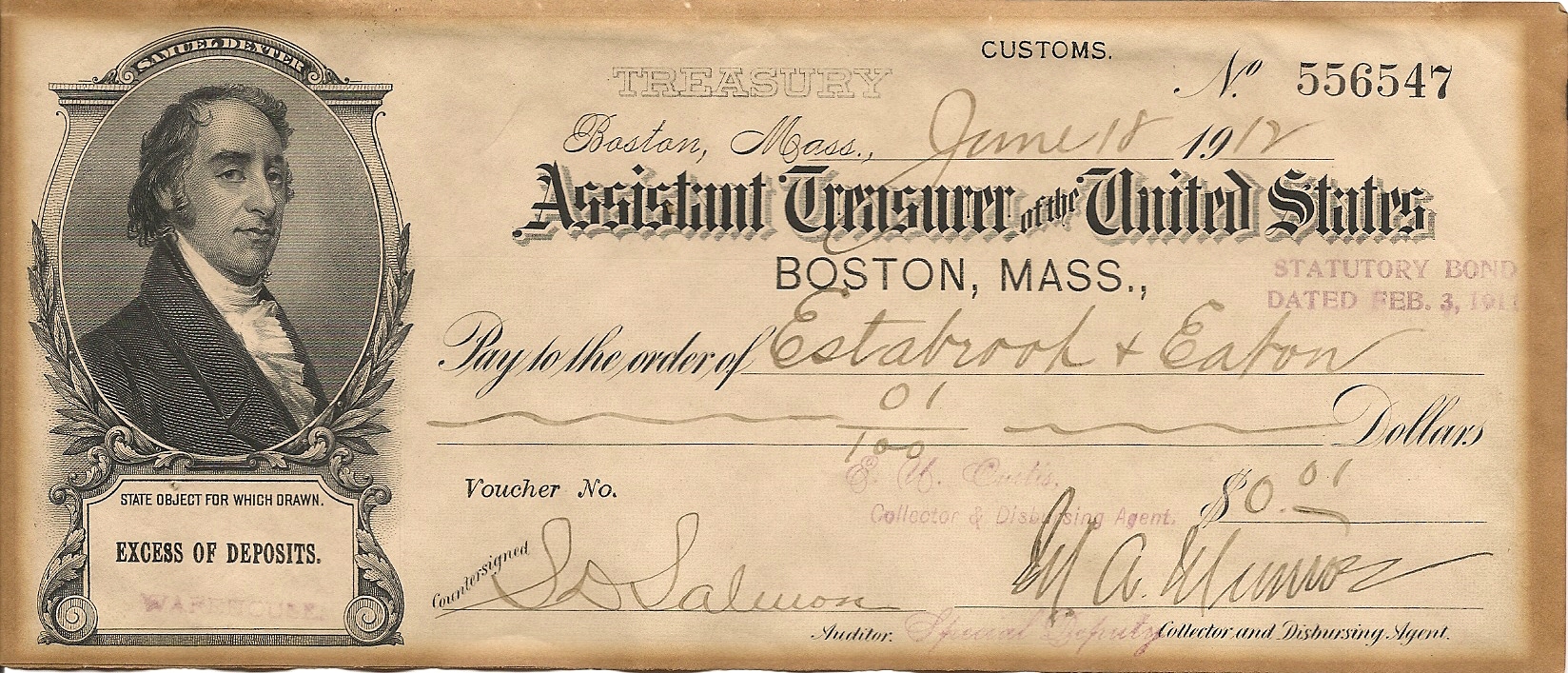
The final check was written in 1912 from the Customs Office in Boston to Estabrook & Eaton for one cent. The memo line indicates it was for refunding excess deposits. Estabrook & Eaton were cigar importers and sellers in Boston and they undoubtedly had to pay import duties to the Customs Office on product brought into the United States.

This check was saved as a souvenir as it was in an old frame when I acquired it. The brown outline and tan coloring on the check are a result of damage from the kraft paper backing that was used in the frame. Kraft paper is acidic and long term exposure will damage anything near it.

A Day to Remember

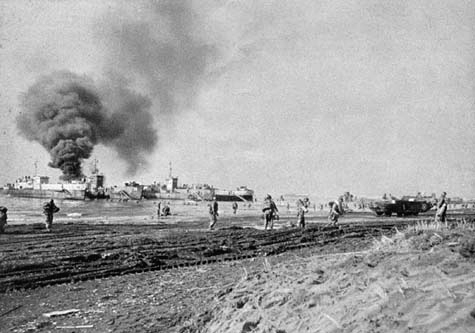
Members of the US Third Division landing on the Anzio beachhead, January 22, 1944. (US Army photo).

Today is my birthday. But rather than talk about the events of fifty-one years ago, we will go back seventy-five years to the war in Italy.

In North Africa and the initial stages of the Italian Campaign, US personnel were paid in US dollars that were modified with a yellow seal. The yellow seal was used to allow the money to be invalidated if large amounts were captured by the enemy.

The US-British attack at Anzio began on January 22, 1944. The landings were part of a series of engagements that were an attempt to quickly capture Rome and cut off the withdrawal of the Tenth German Army. Poor guidance, unfavorable terrain and a well-prepared enemy almost resulted in failure. Allied forces would not break out of the Anzio beachhead until May and focusing on the propaganda victory of capturing Rome allowed the retreating Germans to slip through.

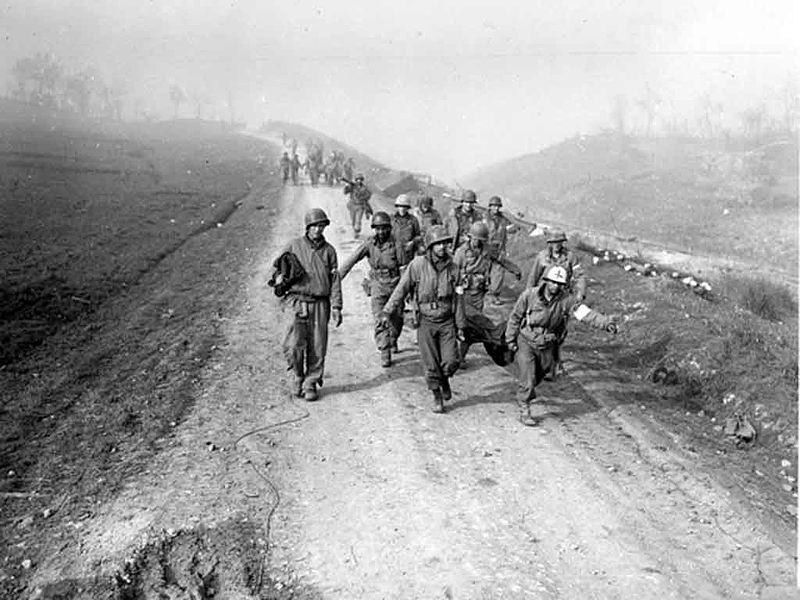
American personnel evacuating the wounded south of the Gari River on January 22, 1944. (US Army photo).

While the Anzio Campaign was just beginning, January 22, 1944, marked the end of one of the most disastrous defeats of the US army in Europe south of Monte Cassino at the Battle of the Rapido River.

The US 36th Division attempted to cross the Gari River on January 20, 1944. The attack on the Germans near Cassino was designed to draw forces away from the upcoming Anzio attack. The 141st and 143rd Regiments began their assault at 7:00pm. The Germans were able to force both regiments to withdraw back across the river.

The river crossing was launched again the next evening. The Americans were again unable to secure the beachhead and were forced to give up the attack by the evening of January 22. The 141st Regiment was able to withdraw back across the river with few losses. However, the Germans destroyed the bridges and boats used by the 143rd Regiment resulting in the death or capture of most of that unit.

The Gari River attack achieved no tactical or strategic result for the Americans. The German defense required no additional support and the goal of siphoning troops from Anzio failes. Over 2,000 Americans were killed, wounded or captured against 244 German casualties.

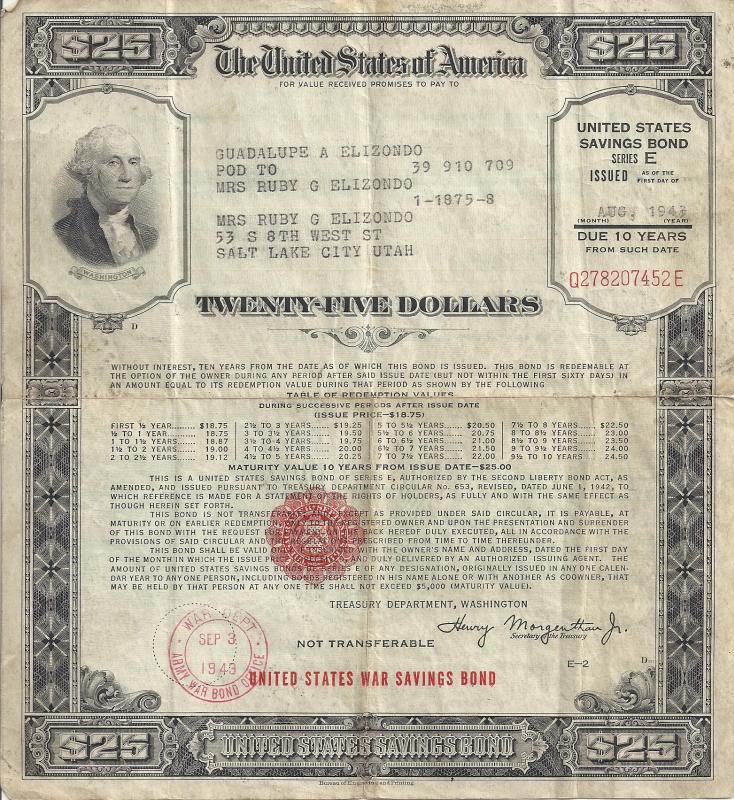
$25.00 war bond issued to Pvt. Guadalupe A. Elizondo by the Army War Bond Office in Chicago. The Army War Bond Office was the largest single issuer of bonds during WWII.

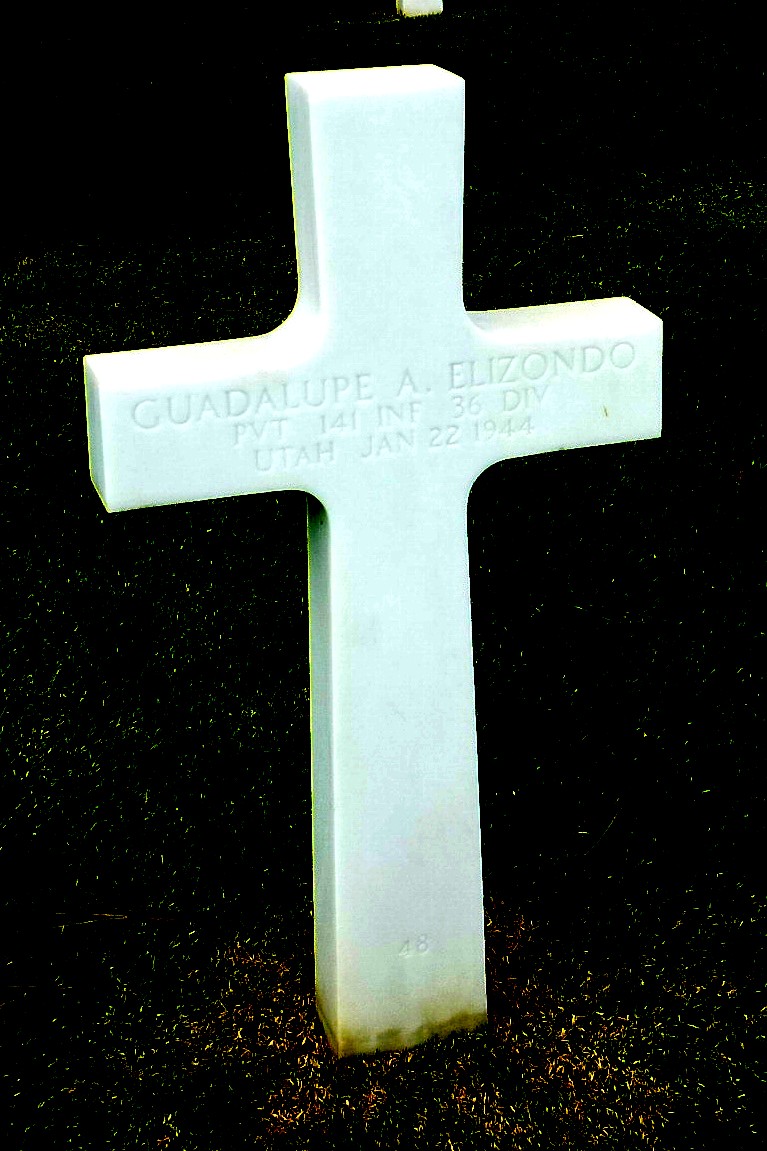
One of the men serving in the 141st Regiment at the Gari River was Pvt. Guadalupe A. Elizondo of Salt Lake City. A Mexican immigrant, Elizondo moved to Utah with his parents and eleven brothers and sisters in the 1920s. He married before the war and voluntarily enlisted in March 1943 at the age of 30.

Elizondo served in North Africa with the 141st Regiment before crossing the Mediterranean with the 36th Division. He was killed January 22, 1944 during the withdrawal across the Gari River.

The grave marker for Pvt. Guadalupe A. Elizondo in the Sicily-Rome American Cemetery in Nettuno, Italy.

One of his brothers, Joe Elizondo, served with the 505th Parachute Infantry Regiment and was killed in action in Belgium in December 1944.

I would be remiss if I did not remember Captain Lance Sijan, Medal of Honor recipient from Milwaukee, who died in the Hanoi Hilton on January 22, 1968. 

Birthday greetings to my brother Tim who turns 60 today and to my birthday brothers, Mike Baudhuin, Johnny Turppa and Fred Anderson.

Transportation and Numismatics in Door County

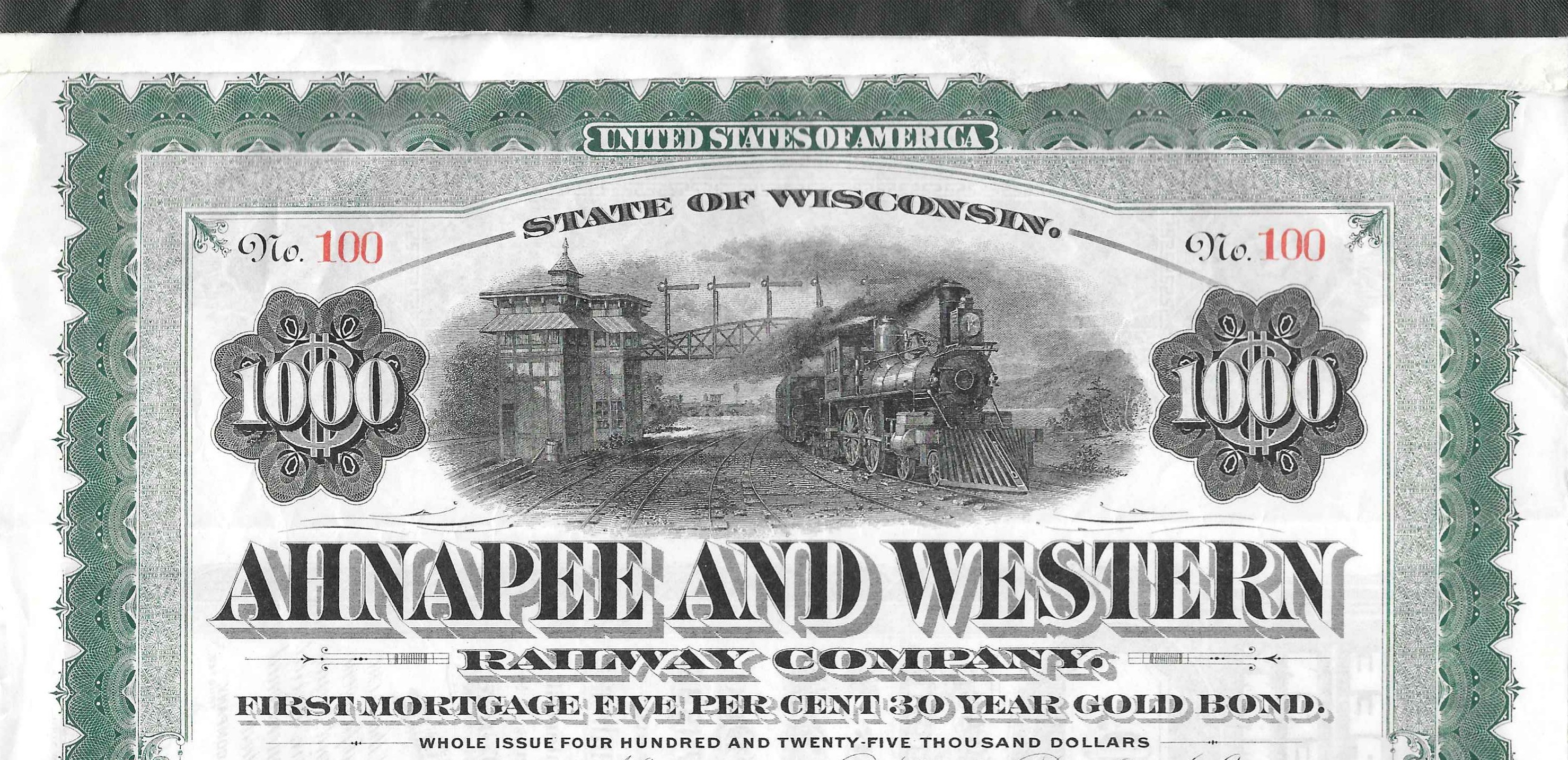
Door County was the last county in Wisconsin to have railroad service. It was also the first to lose it. The Ahnapee & Western Railway opened in 1890 and had its last run in March 1986. It connected the Lake Michigan cities of Sturgeon Bay, Algoma and Kewaunee with the rest of the world meeting the Kewaunee, Green Bay & Western tracks at Casco Junction.

Passenger service ceased in 1937 (except for transporting German prisoners of war in WWII to work the orchards). Freight service declined as trucking became more economical. The bridge in Sturgeon Bay was condemned in 1968 and service there ended the next year. By this time the Algoma line served only Algoma Plywood and was down to two cars per day. Service ceased altogether when the Kewaunee River bridge washed out in 1986 and was not rebuilt.

The tracks were removed and the corridor became the Ahnapee State Trail.

The bond pictured above was printed by the American Bank Note Company and issued in 1906. Although it was intended as a thirty-year bond, it was not redeemed until 1942. The central vignette is a stock image used by ABNC and is not a representation of any portion of the railway’s tracks.

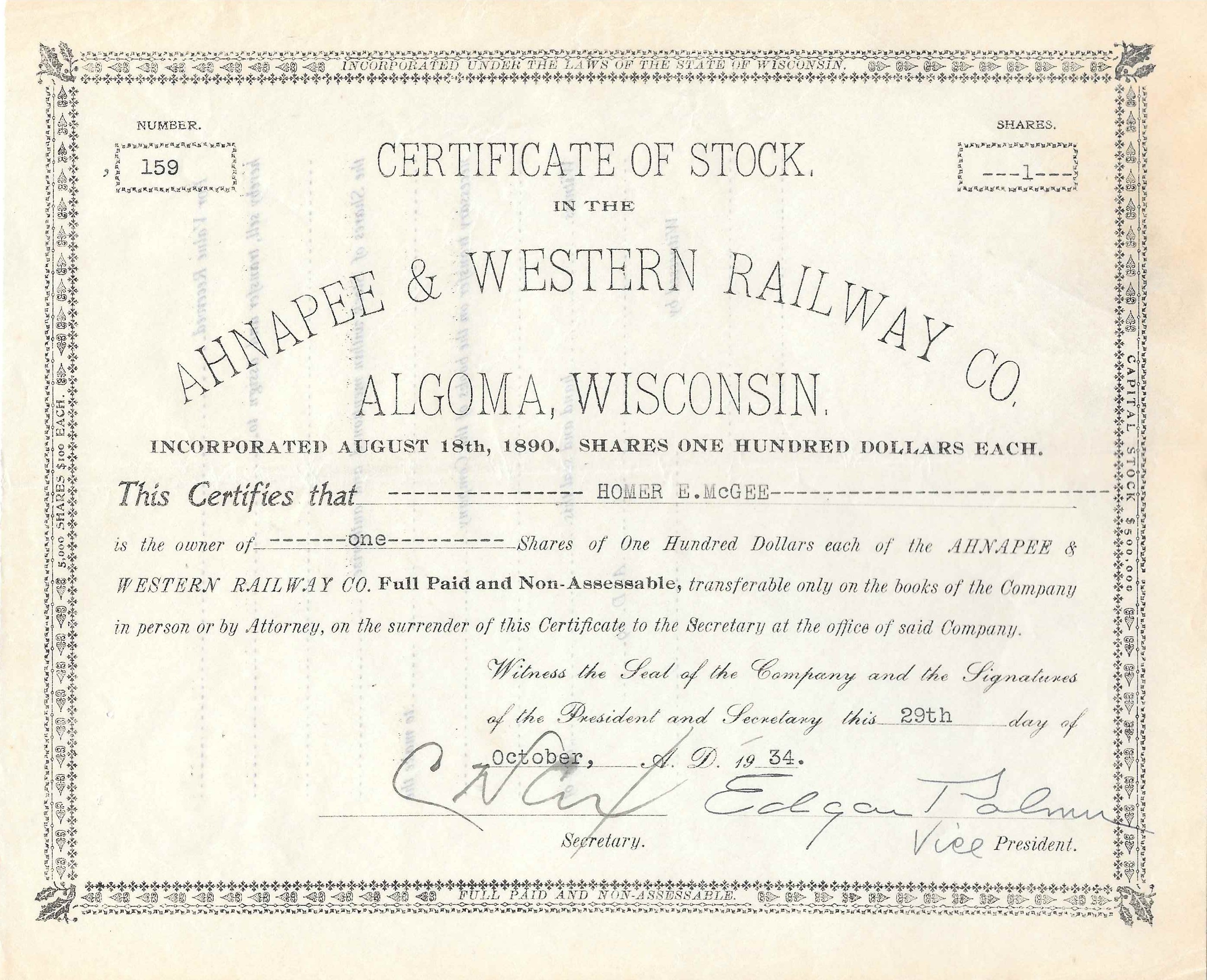
A stock certificate for one share of the Ahnapee & Western Railway issued to Homer E. McGee. McGee was president of the Green Bay & Western, the parent company of the Ahnapee & Western in 1934.

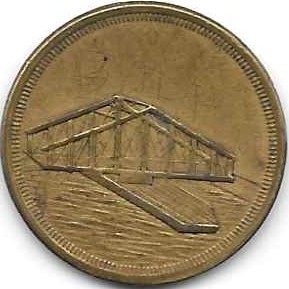
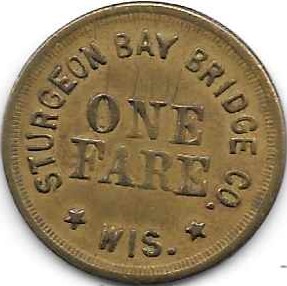
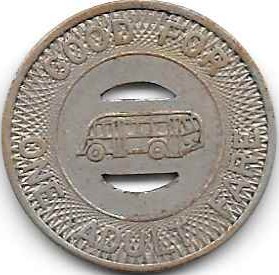
In Sturgeon Bay, the Ahnapee & Western crossed the bay on the toll bridge that had been built in 1887 by the Sturgeon Bay Bridge Company. The Bridge Company had a twenty-five year charter to operate the bridge. The tokens above were used for tolls on the bridge. The aluminum token on top was replaced by the brass token. Tokens in denominations of ten and fifteen cents are also known to exist but are very scarce. Paper chits were also used for the bridge. The representation of the bridge on the tokens is a simplified version of the span of the swing bridge in Sturgeon Bay.

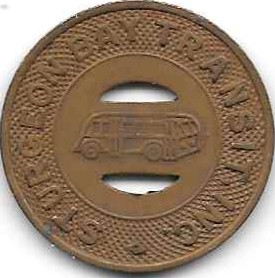
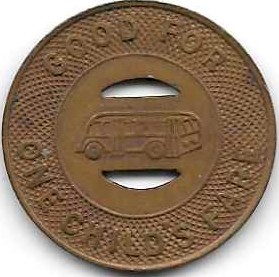
The final pieces of Door County transportation numismatics are these two tokens for the Sturgeon Bay Transit Company. The brass token on top is for a child’s fare and the cupro-nickel token on bottom is an adult fare. The Transit Company was founded in 1943 to serve the expanded labor force that came to Sturgeon Bay to work in the shipyards for the war effort. It ceased operation in 1953.

Ordinary People Doing Extraordinary Things (Pt. 1)

I have collected military numismatic items for more than thirty years. I had a deep interest in history and numismatic items are tangible pieces of history. I have spent many hours researching items and cataloging them.

One of the reasons I started this blog is to relate the stories that some of the items in my collection can tell. These are stories of resilience, courage and sacrifice. I feel it is important to share these stories to bring some of them to a greater audience and that they not be forgotten.

The liberation of Santo Tomas Interment Camp in Manila, February 5, 1945.

Santo Tomas was the largest internment camp in the Philippines run by the Japanese during WWII. It housed over 4,000 civilians, mostly Americans, but included citizens from about a dozen countries. Internees were imprisoned for more than three years before liberation.

Liberating Santo Tomas and the other Japanese run camps was a priority. American military authorities believed the Japanese would massacre the internees and prisoners rather than allow them to be freed. On February 3, 1945 the first American units entered Santo Tomas as five tanks belonging to the First Cavalry Division broke through the fence.

The sixty-five remaining Japanese guards and other prison staff sought refuge in the main administration building taking two hundred internees hostage. A tense stand-off ensued.

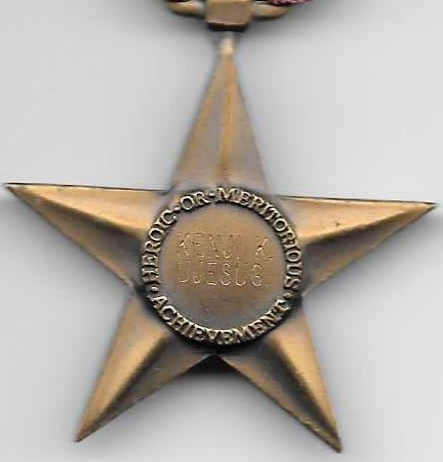
Back of the Bronze Star Medal issued to Sgt. Kenji Uyesugi. His name was misspelled by the Philadelphia Quartermaster Depot.

Kenji Uyesugi was a Nisei from Colusa, California. He was a student at USC when the war began. He enlisted in the army in January 1942. The rest of his family avoided internment by moving to Cleveland. He attended military intelligence language school and was assigned duty as a translator in the Pacific. He was detached to serve with a Marine unit at Guadalcanal and also served in the invasion of Guam. He then served as a translator with the intelligence section (G-2) of the First Cavalry Division for the liberation of the Philippines.

Sgt. Uyesugi accompanied LTC Charles E. Brady to negotiate the release of the internees being held in the administration building. After several hours the Japanese were allowed to leave Santo Tomas and the internees were freed. Sgt. Uyesugi received the Bronze Star Medal shown above for his service during the Philippine Campaign.

Meal card issued to James Wilson while interred at Santo Tomas. The Japanese did not issue camp currency in Santo Tomas so the ration items used in the camp are the only numismatic relics.

The Japanese shelled Santo Tomas after liberation. The American Army would not let the internees leave the camp immediately because there was no available housing for them in Manila outside the camp. This led to the death of nineteen internees and wounds to an additional ninety after liberation. Included in the dead was 58 year old Gladys A. Archer of Hartford, NJ who died on February 7, 1945 during an artillery attack. Ms. Archer supplied the validating signature on the left of the camp meal card shown above issued to James Wilson. I could find no definitive information on Mr. Wilson other than confirmation that he was interned.

This 10 peso note is from the first series of notes issued by the Japanese during the occupation of the Philippines. It contains the names of a Bill Spingler of Boston and a Larry Glynn (or Glym) along with the initials A.B. The inscription further references Santo Tomas and a note indicating 18 months as a prisoner. Neither of these names appear on the roster of internees as Santo Tomas or other records of prisoners of the Japanese.

Most internees were held at Santo Tomas for 37 months. There were a number of Allied civilians who were allowed to remain in Manila in the early part of the war. Most of these were interned by mid 1943. A few Allied civilians were permitted to be repatriated during the early part of the war.

Until the Japanese Army took direct control of the camp in February 1944 internees and residents of Manila were allowed to mingle at the fence and pass items back and forth. This included money which was used to purchase items and additional food in the city for use by internees. There was only one escape attempt from Santo Tomas. All three escapees were caught and executed. Approximately 400 internees died at Santo Tomas.

When War Made Cents

Warfare has always brought significant changes in a nation’s economy. War costs money and governments search for creative new ways to raise revenue to finance their war efforts.

The United States initially intended to pay for the expenses of the Great War through taxation. This was successful in raising most of the money to pay for the Spanish-American War.

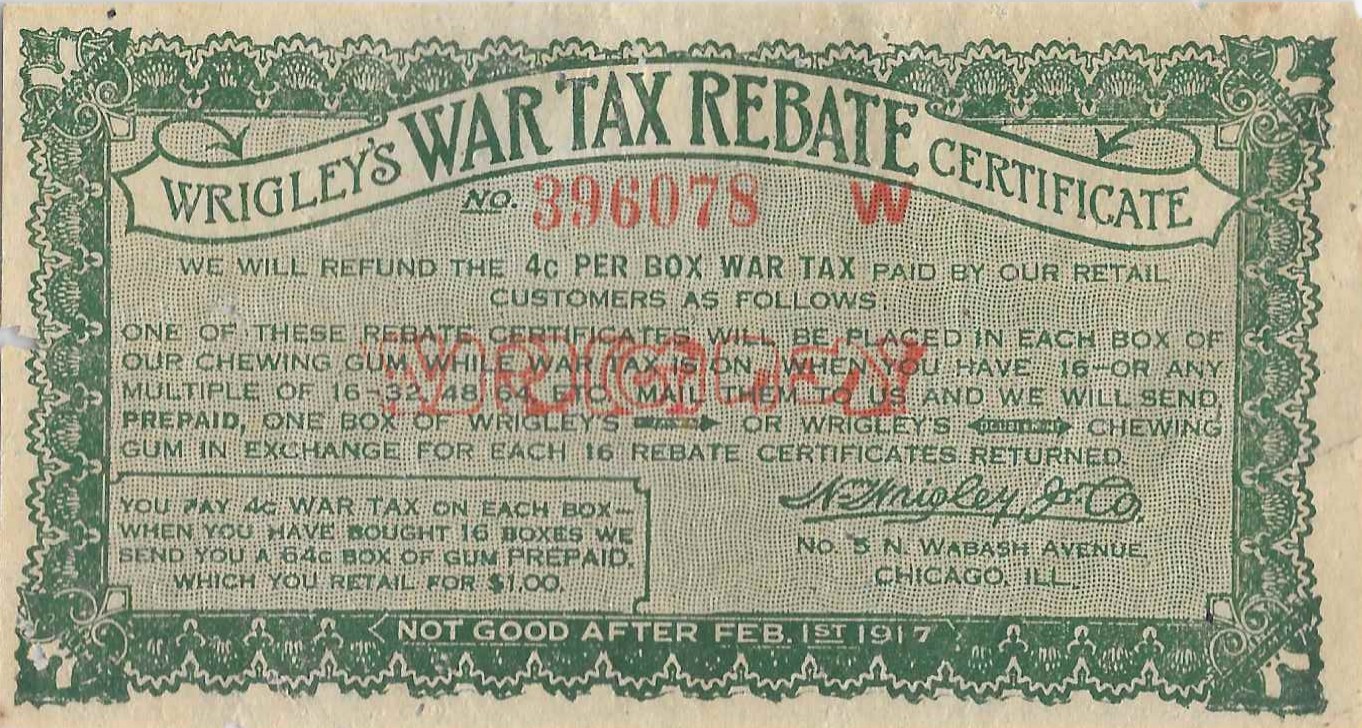
One of the taxes that was imposed for WWI was a four cent tax on the wholesale price of a box of chewing gum. William Wrigley actively fought against the tax to no avail. He was so angered by the tax that he sought to alleviate its effect on merchants by rebating the tax in the form of giving away boxes of gum. The War Tax Rebate Certificate shown above was Wrigley’s way of returning the tax to merchants.

While the additional taxes were effective at raising money for the war, they had an unintended consequence on the American financial system.

Wartime has traditionally resulted in small change shortages due to the hoarding of silver or stockpiling of copper and other metals for the war effort. The WWI taxes also affected the amount of small change in circulation but in an unexpected way.

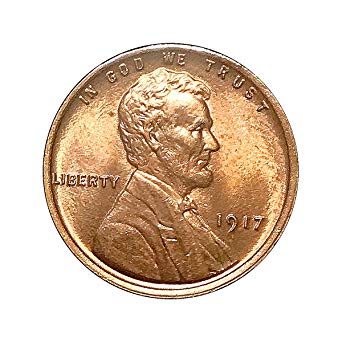
Most of the taxes were like the chewing gum tax which required small amounts on many different products that were not previously taxed. The additional taxes resulted in uneven amounts being required to pay for items. This left merchants with having to pay out more pennies in change than previously. A shortage of pennies ensued.

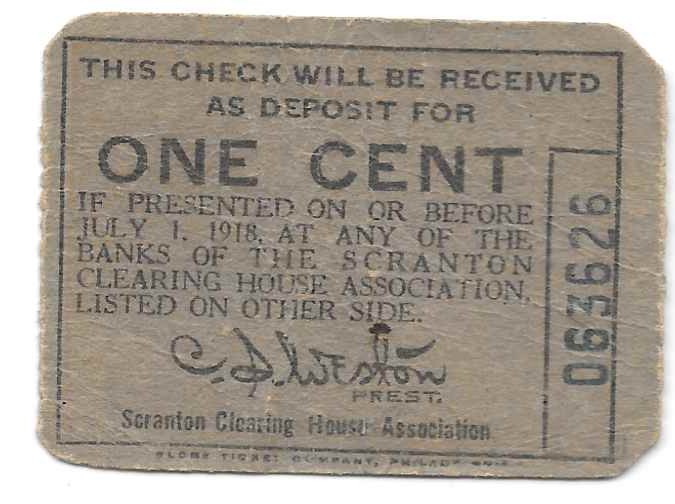
While the 1917 penny shortage was a nationwide phenomenon, it was more acute in certain parts of the country and caused merchants to take the extraordinary step of creating a medium to use in the place of one cent coins. The one cent check above issued by the Scranton Clearing House was one attempt at a short term solution.

(Clearing houses were established in most cities to clear checks through the financial system by offsetting balances between banks instead of physically trading cash. They were instrumental in alleviating the cash shortage during the Panics of 1893 and 1907 by issuing clearing house certificates that circulated as money. These will be topics for another day.)

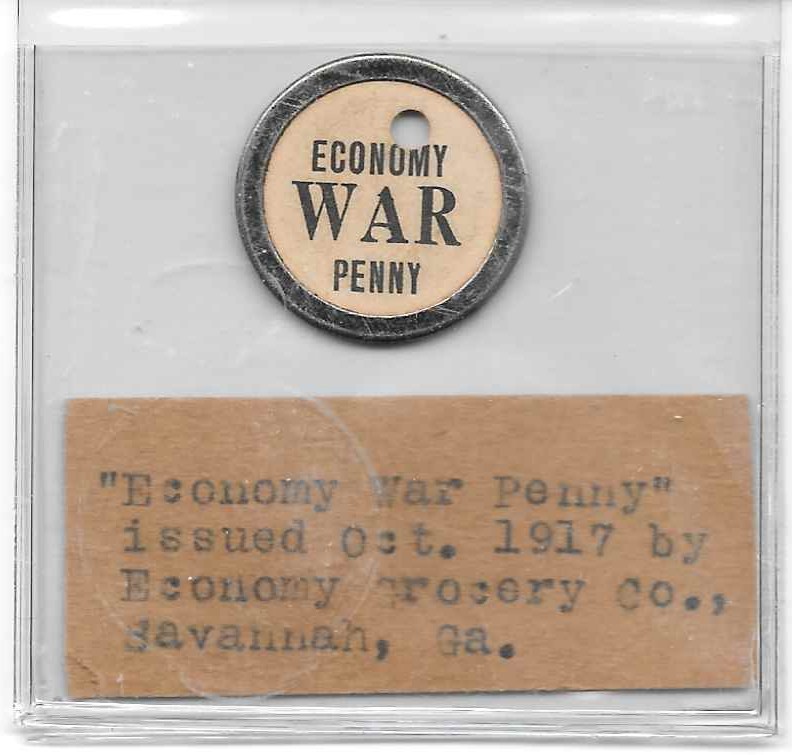
The Economy Grocery Company of Savannah, Georgia made these penny tokens out of paper tags. The owner’s initials appear on the back of the token.

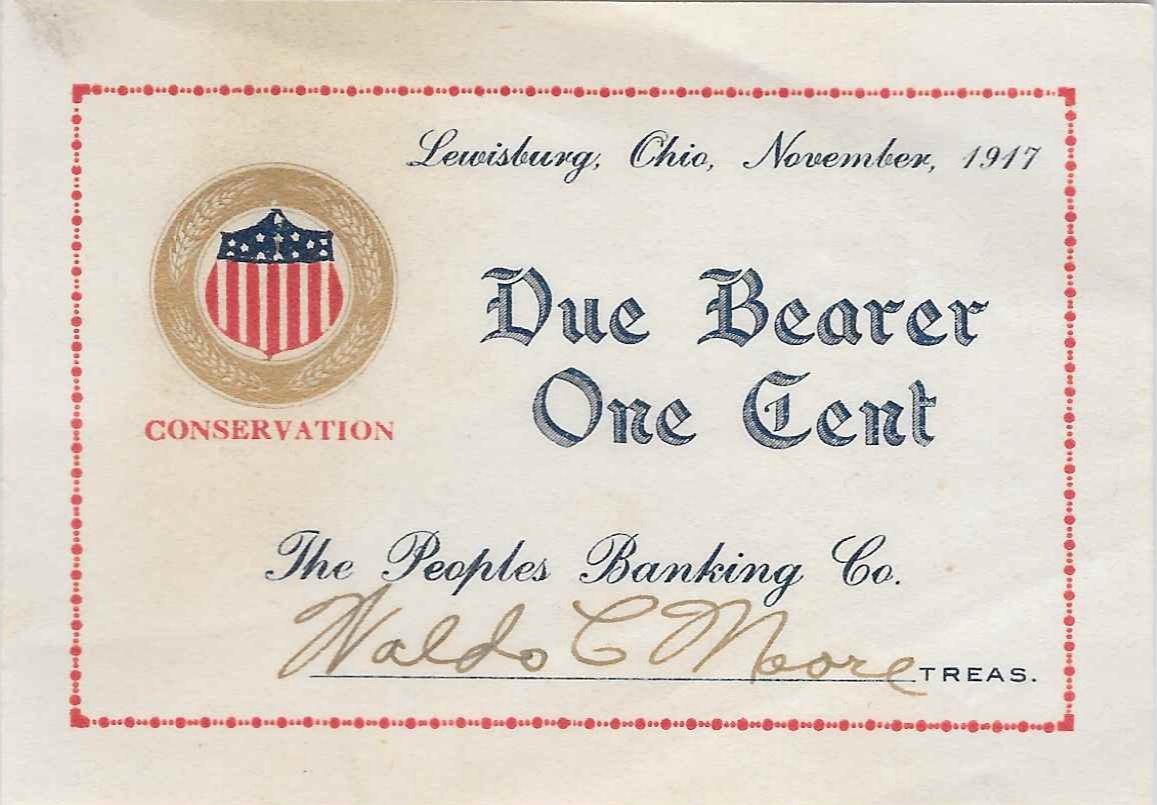
Waldo C. Moore was a banker in Lewisburg, Ohio and a nationally known coin collector. He made these one cent coupons as penny substitutes in 1917. The shield device on the left was the symbol of the US Food Administration.

The last US penny shortage was the result of a spike in copper prices in the mid-1970s. This scrip piece from Schwegmann Brothers super markets in New Orleans was issued as a result. The situation was bad enough in 1974 that some banks paid a premium of up to 20% for pennies (paying $1.20 for $1.00 in pennies) and the Mint Director issued an appeal for Americans to empty their piggy banks and get the coins into circulation.

New Year Greetings

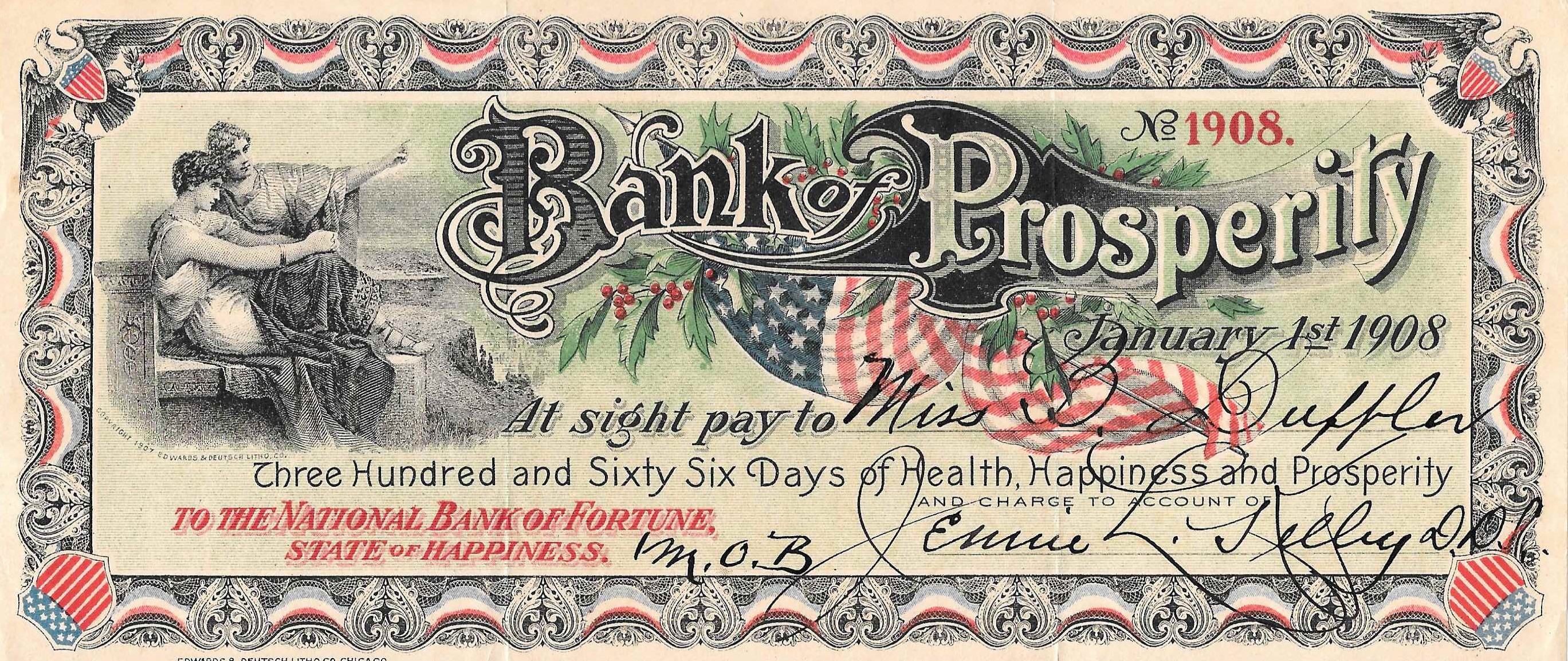
Check-like documents were a common way to send New Year’s greetings in the late 19th and early 20th centuries. There were many varieties but they had the common themes of wishing prosperity and good fortune in the new year. The 1908 piece above is the most intricately printed piece I have encountered. It was sent by Dr. Jennie L. Kelly, DDS, a Chicago-area dentist.

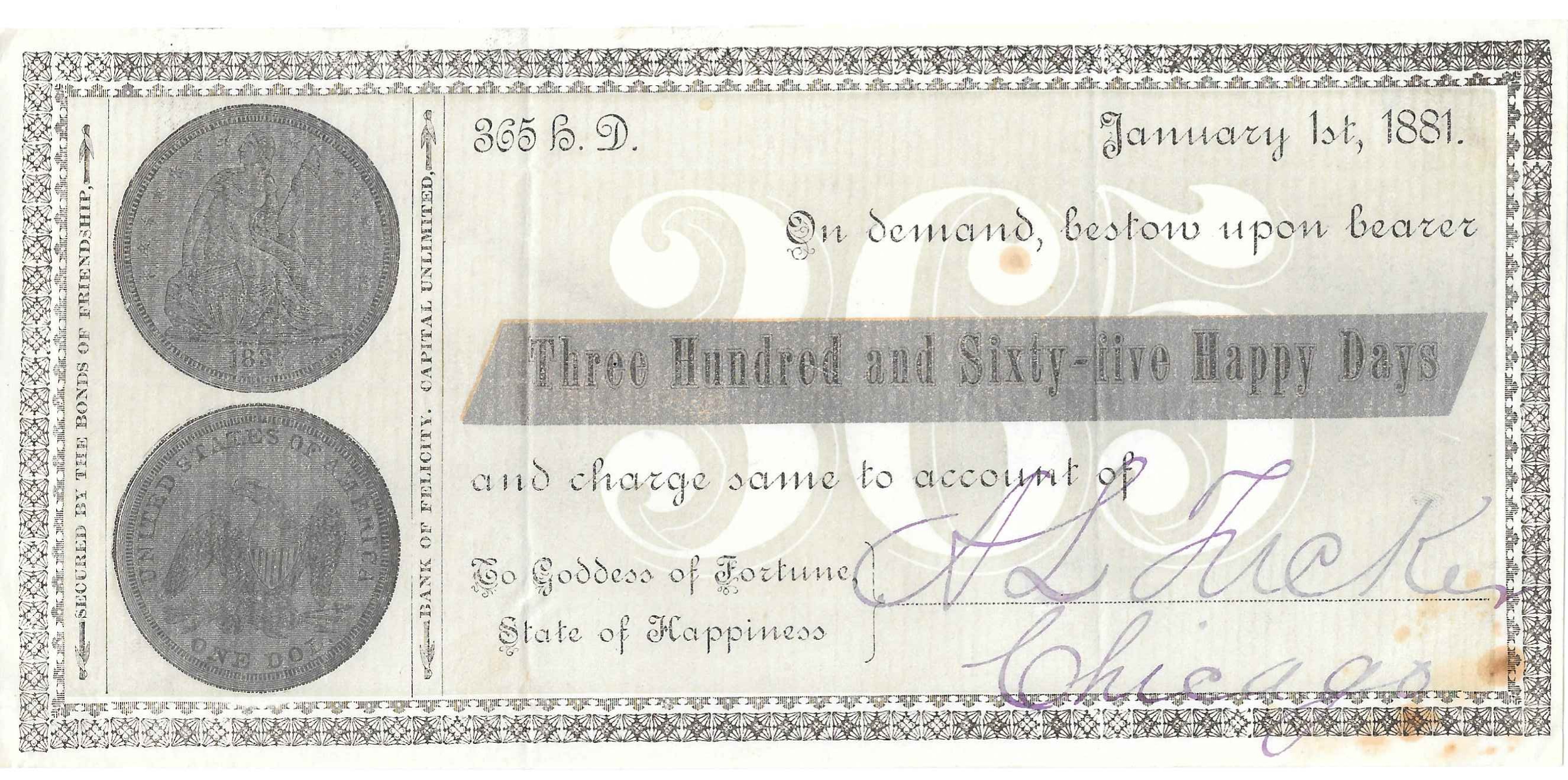
The earliest example I have seen is this piece from 1881. It asks the Goddess of Fortune to bestow 365 happy days upon the bearer. The coins on the left do not show up well when scanned but they are the obverse and reverse of an 1837 Seated Liberty Silver Dollar. This is an interesting choice as the Seated Liberty design was replaced by the Morgan Dollar in 1878. It is possible that the printer first made these checks prior to 1878 and did not change the design after the new coin was introduced.

In case you didn’t notice, the check from 1908 accounted for leap year by wishing the recipient 366 days of Health, Happiness and Prosperity. William C. Braithwaite went cheap with his 1884 greetings by modifying a check from a previous year to account for that year’s extra day.

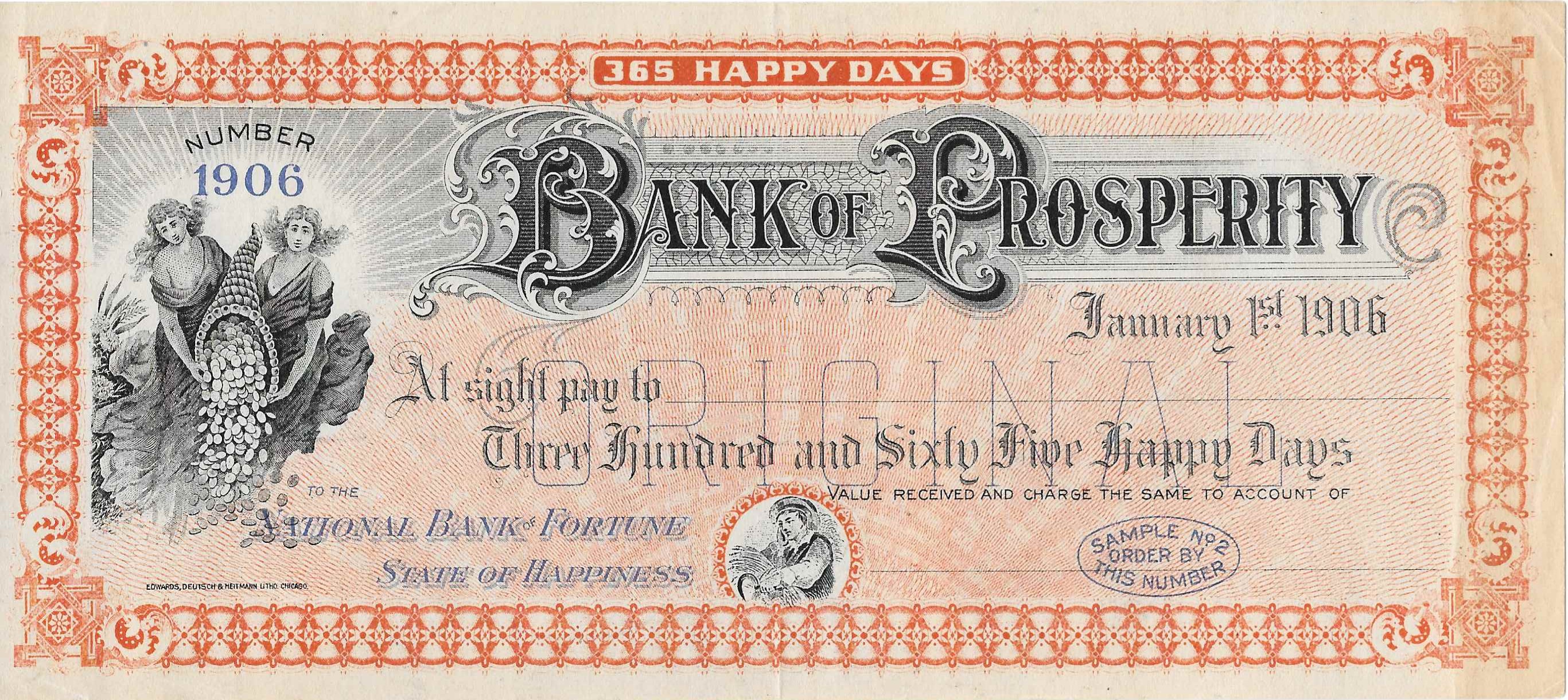
This example from 1906 was a salesman’s sample. It was made by the same printer as the 1908 check, Edwards, Deutsch & Heitman of Chicago. Since this piece is Sample No. 2 it is apparent that they had more than one design in a year.

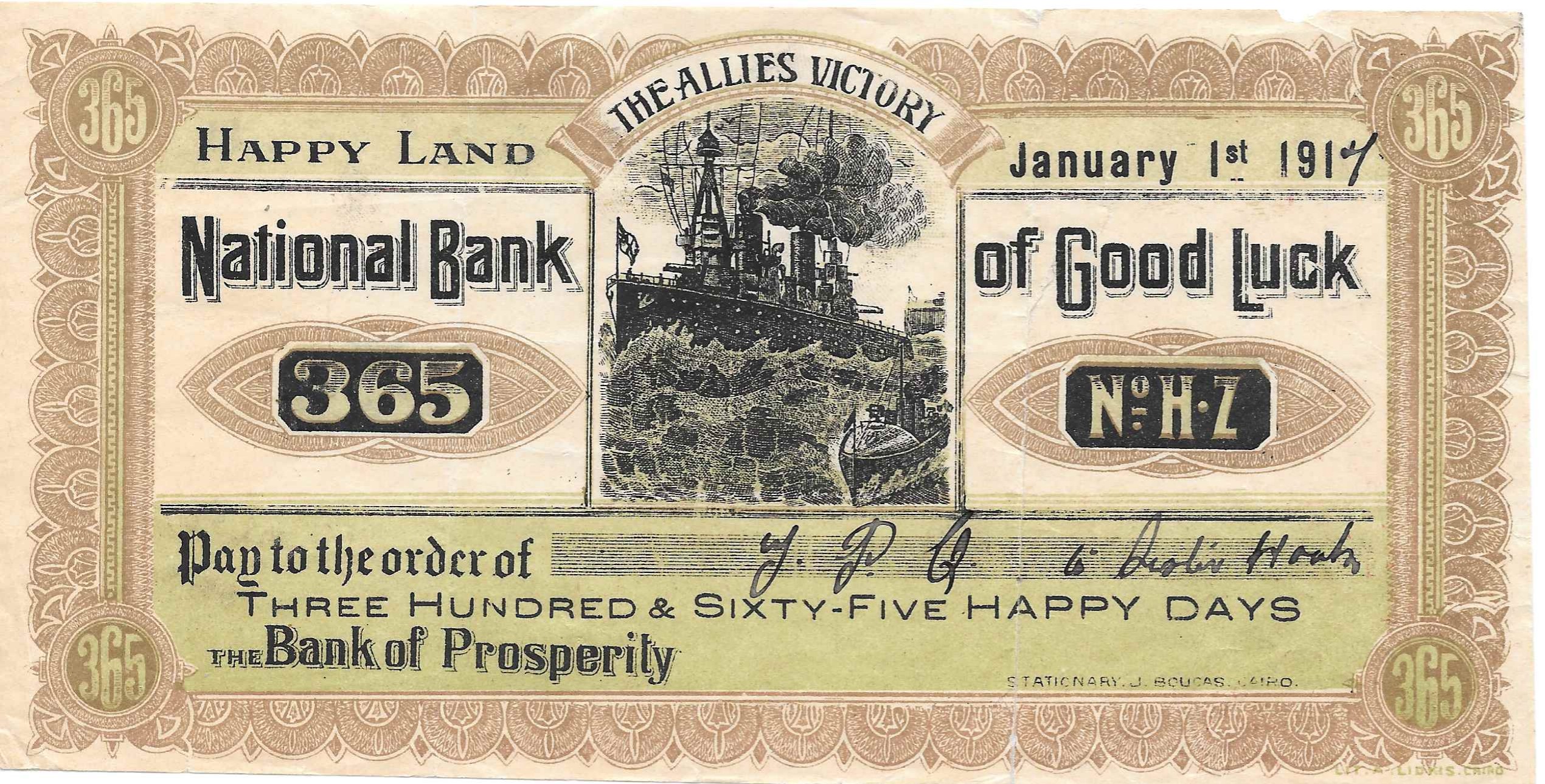
This pair of pieces from 1917 and 1918 not only wish happy days for the recipient but also an Allied victory in WWI. This bilingual issue suggests a Canadian printer but the imprint indicates it came from J. Boucas, a stationary store in Cairo.

As the previous two pieces and this example show, New Year’s checks were not limited to the United States. This example was printed and used in Havana, Cuba.

This example from Nigeria is the latest date I have seen for a New Year’s check. It is dated December 25, 1962. Most examples with Christmas as the date are from the UK or parts of the Empire. For some reason it is made out for 366 pounds even though neither 1962 or 1963 were leap years.

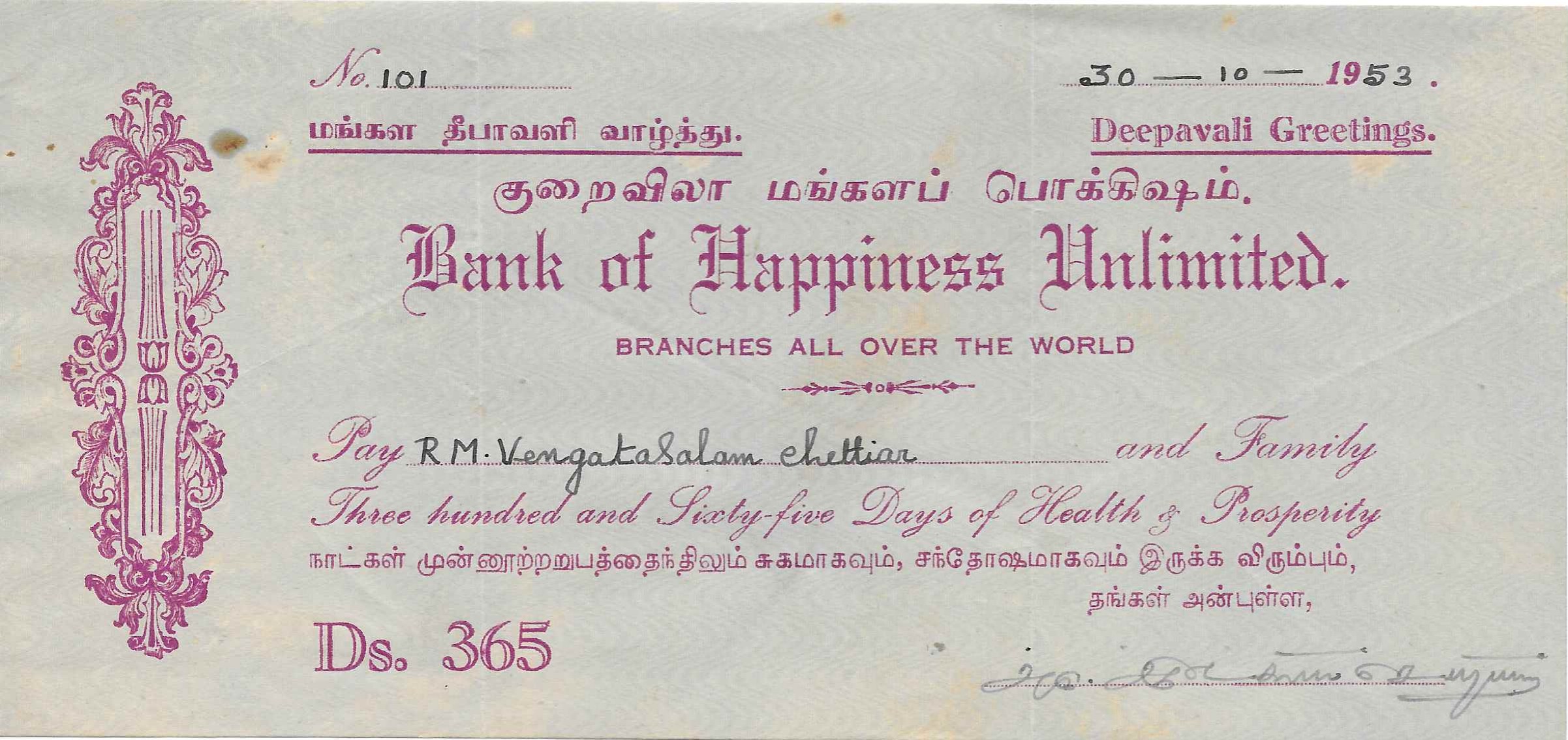
Holiday greeting checks are not limited to western usage. This check from India extends Deepavali greetings. Deepavali or Diwali is the Hindu festival of lights and is held at the end of October or early November.

Finally, there is this check from 1920. Fifteen year old Nondas Morton must have been on Santa’s naughty list in 1920 as he only wished her twenty-two happy days for the coming year.

May 2019 bring you success in your endeavors.

What about checks, dad?

— Isaac

With the government shut down for what hopefully will be a short winter’s nap, I thought it appropriate to show a sliver of one of the more obscure numismatic collectibles — US government checks.

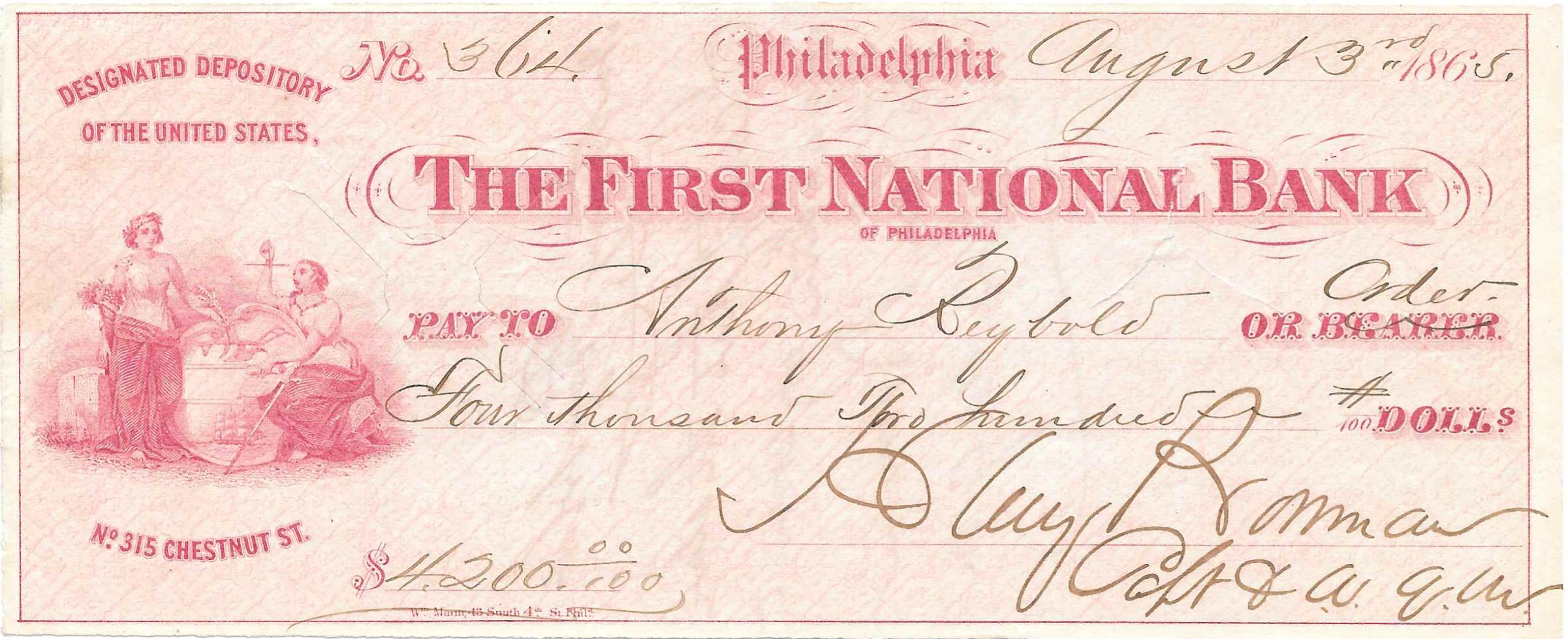
Civil War era check drawn on The First National Bank of Philadelphia as a designated depository of the United States by an army quartermaster.
Post Civil War check drawn on the Assistant Treasurer of the United States at New York by army paymaster Edward S. Moore.

Up through the Civil War the US government operated on a decentralized fiscal system. The US Treasury in Washington, DC was the core of the system but a significant amount of money was held by Assistant Treasurers located in big cities and in local banks that were designated depositories of the United States. On the frontier, Receivers of Public Money were located in the settlements and had charge of the federal accounts most of which were the result of the sale of federal lands through the Land Office of the Department of the Interior.

In the 1870s the system was centralized with the US Treasury taking more direct responsibility for government finances. At this same time, the Bureau of Engraving and Printing began printing checks for use by the various departments of the federal government. Check printing reached its aesthetic apex in the late 19th and early 20th Century with finely engraved vignettes serving as the primary means of counterfeit protection.

The Bureau of Engraving chose large portraits of American government officials for the main design of US government checks. The portraits were used until the mid-1910s when the design for all US government checks was standardized with a very basic design. Three of the portrait checks will be discussed.

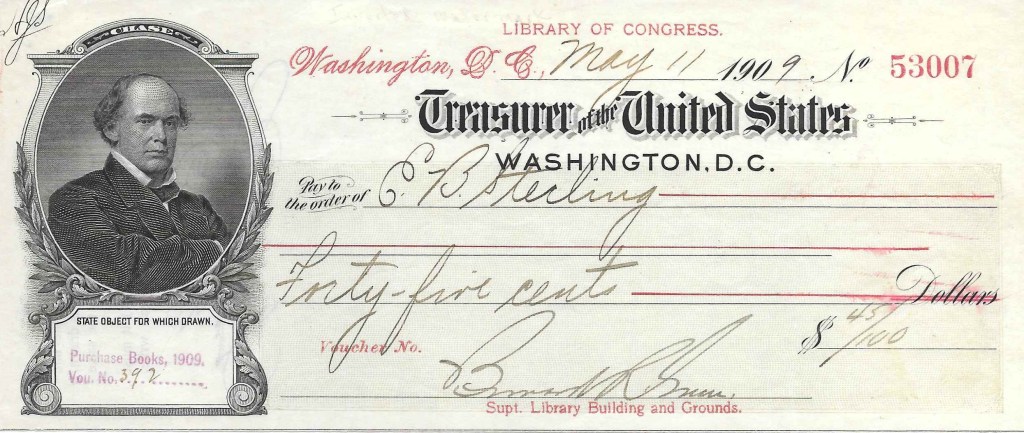
This first check was issued by the Library of Congress and is drawn on the US Treasury in Washington. The portrait is Salmon P. Chase. Chase is an odd choice for a check from the Library of Congress.

Chase was Secretary of the Treasury and Chief Justice of the United States. There was a direct connection between most of the people who appeared on US government checks and the agency for whom the check was printed. That does not appear to be the case here.

Bernard R. Green
(Library of Congress)

The check is signed by Bernard R. Green who was Superintendent of the Library Building and Grounds. Curiously, the Superintendent was responsible for acquiring books for the Library of Congress and not the Librarian.

Edward Boker Sterling

The payee is E(dward) B(oker) Sterling. Sterling was a banker and a pioneer in the stamp collecting field. He authored one of the first catalogs of United States stamps. In 1909, Sterling wrote an extensive family history. It is possible that this check was written to purchase a copy as the check indicates it was used to pay for books. Sterling was also a coin and paper money collector. He may have forsaken the 45 cents represented by the check to save it for his collection.

This next check was issued in 1910 through the Assistant Treasurer in Chicago for the Department of Commerce and Labor. It features a portrait of President William McKinley. This same portrait of McKinley was also used on checks for the Philippines.

This check is for 25 cents and the memo line indicates it was for expenses for the 13th Census. The Bureau of the Census is part of the Department of Commerce.

The check is payable to George Johannes. The calligraphy of the payee line and the written amount is remarkable and unusual for a government check. Unusual until you look at the signature and the check number. The signature is G. Johannes and it is check number 1. George Johannes was the Chief Disbursing Clerk for the 13th Census. He undoubtedly wrote check number 1 to himself in the amount of a quarter as a souvenir.

The last check was issued by the Government Printing Office in 1912. It is for a nickel and was used to pay for a hand stamp from J. Baumgarten & Sons Co.

The dour-looking man in the vignette is John D. Defrees. Defrees was an Indianapolis newspaper publisher who was appointed by President Lincoln as Public Printer, the head of the Government Printing Office. He remained in that position until 1869 when he was removed by Congress. He was re-appointed by President Hayes in 1876. He resigned shortly before his death in 1882.

I looked for a more flattering image of Defrees but this picture from findagrave.com shows the Bureau of Engraving vignette captured the subject very well.

This uninspiring design replaced the large portrait style checks. It was used until the 1980s.